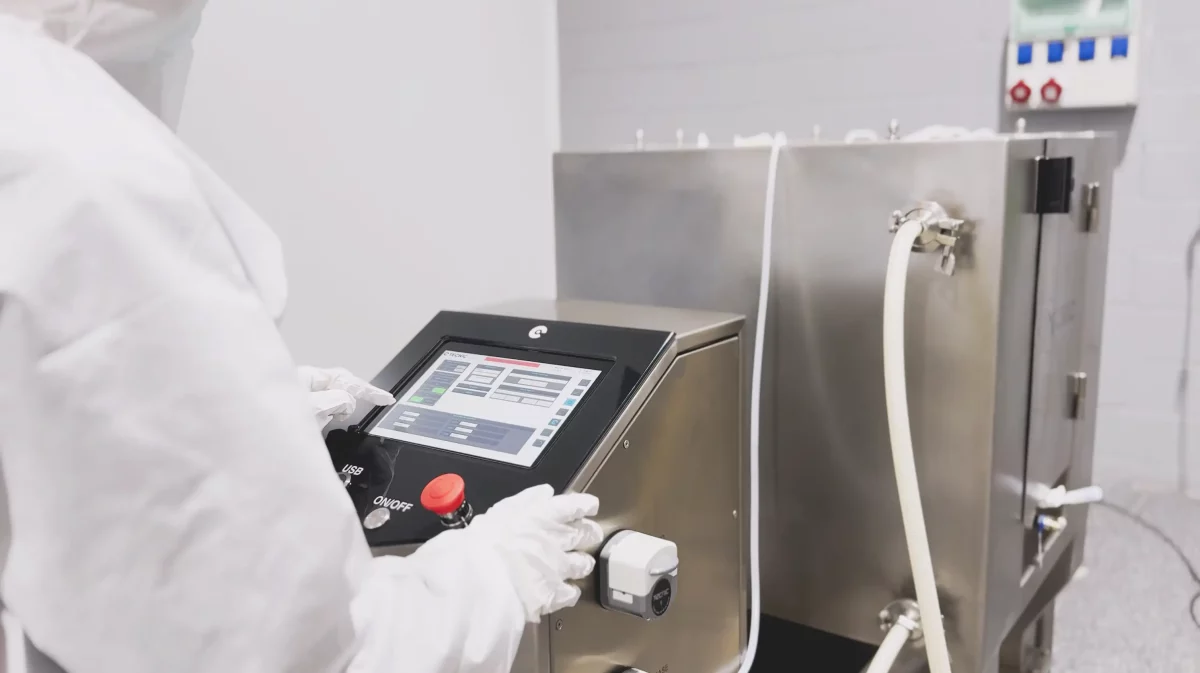
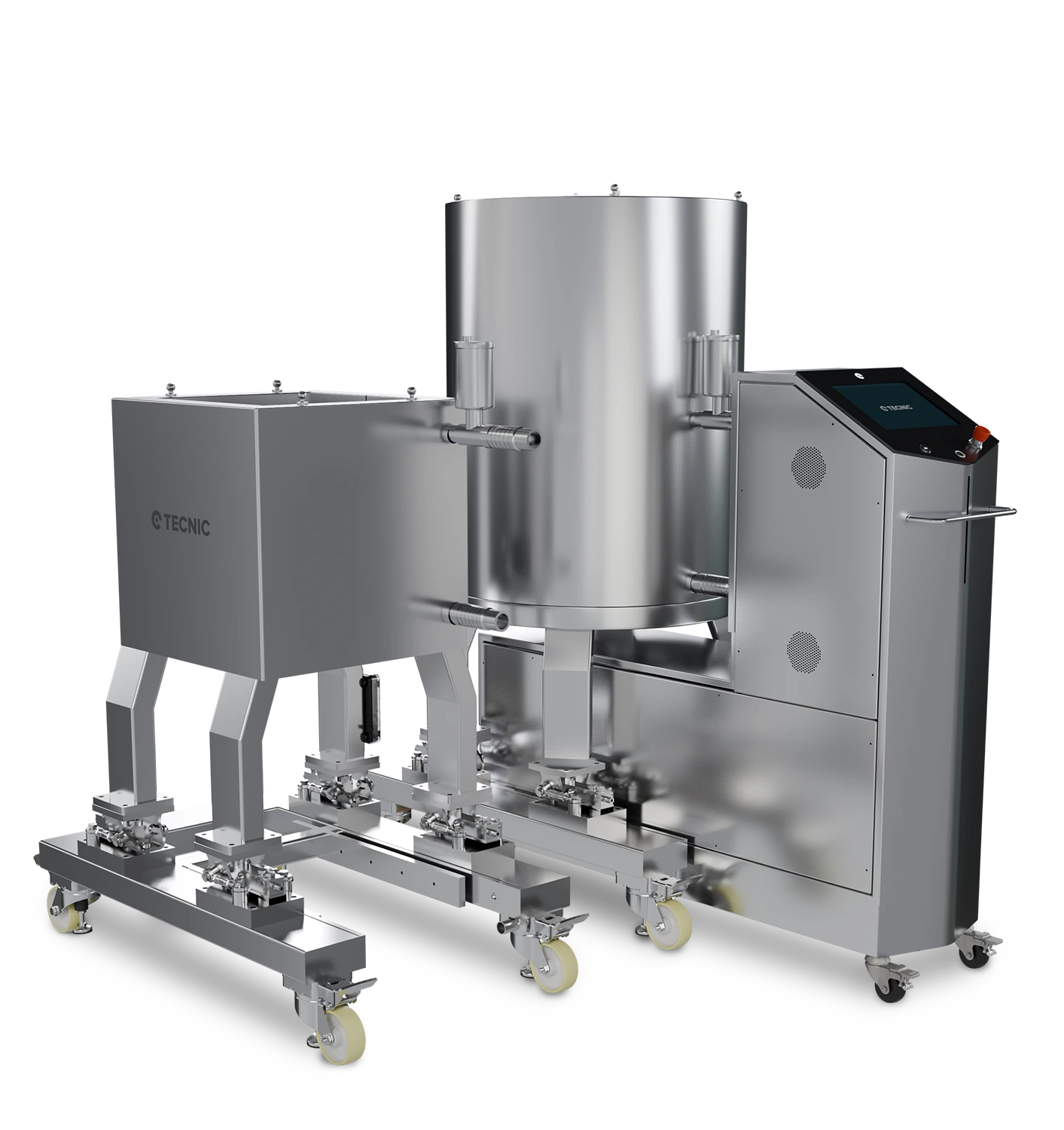
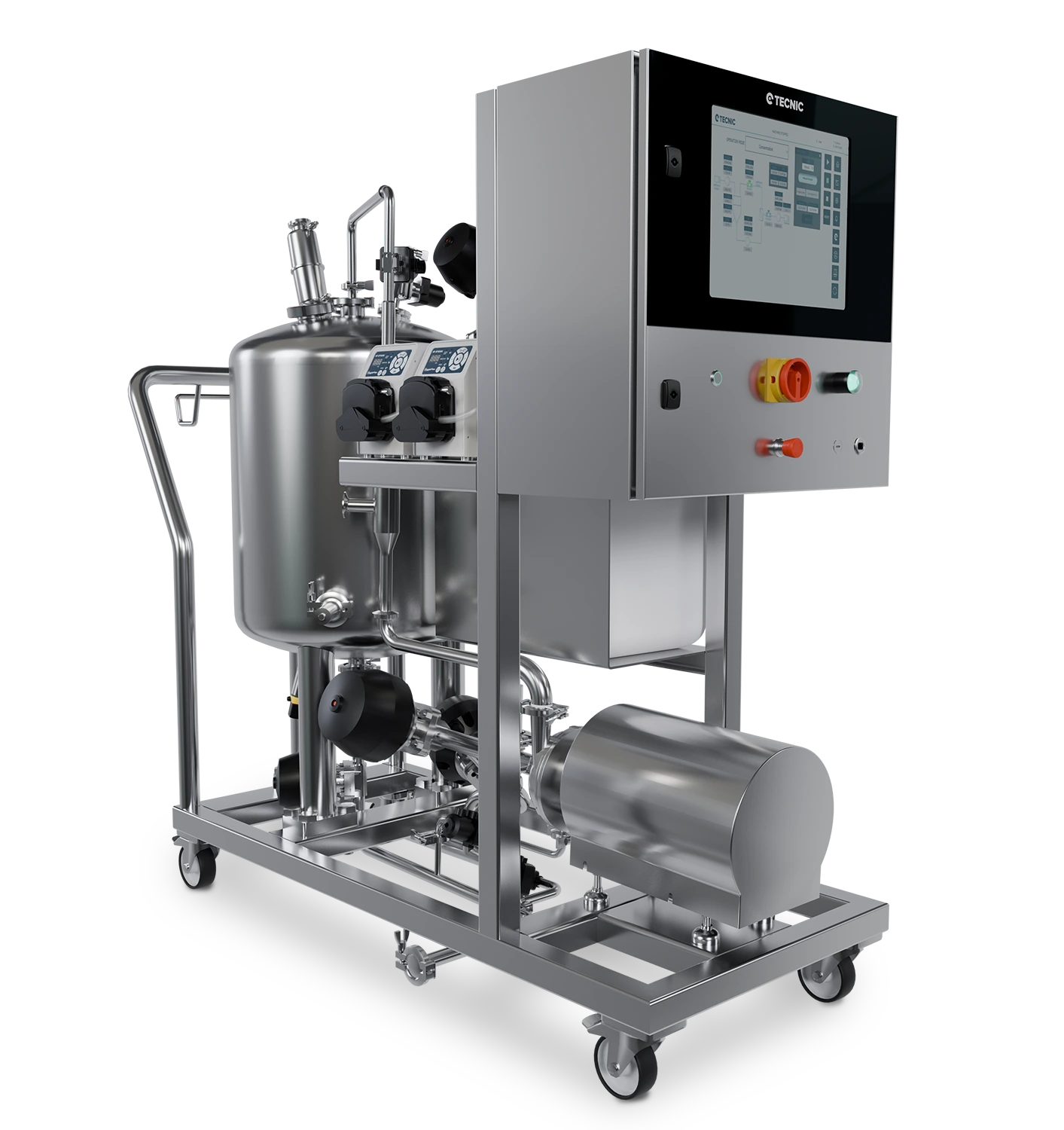
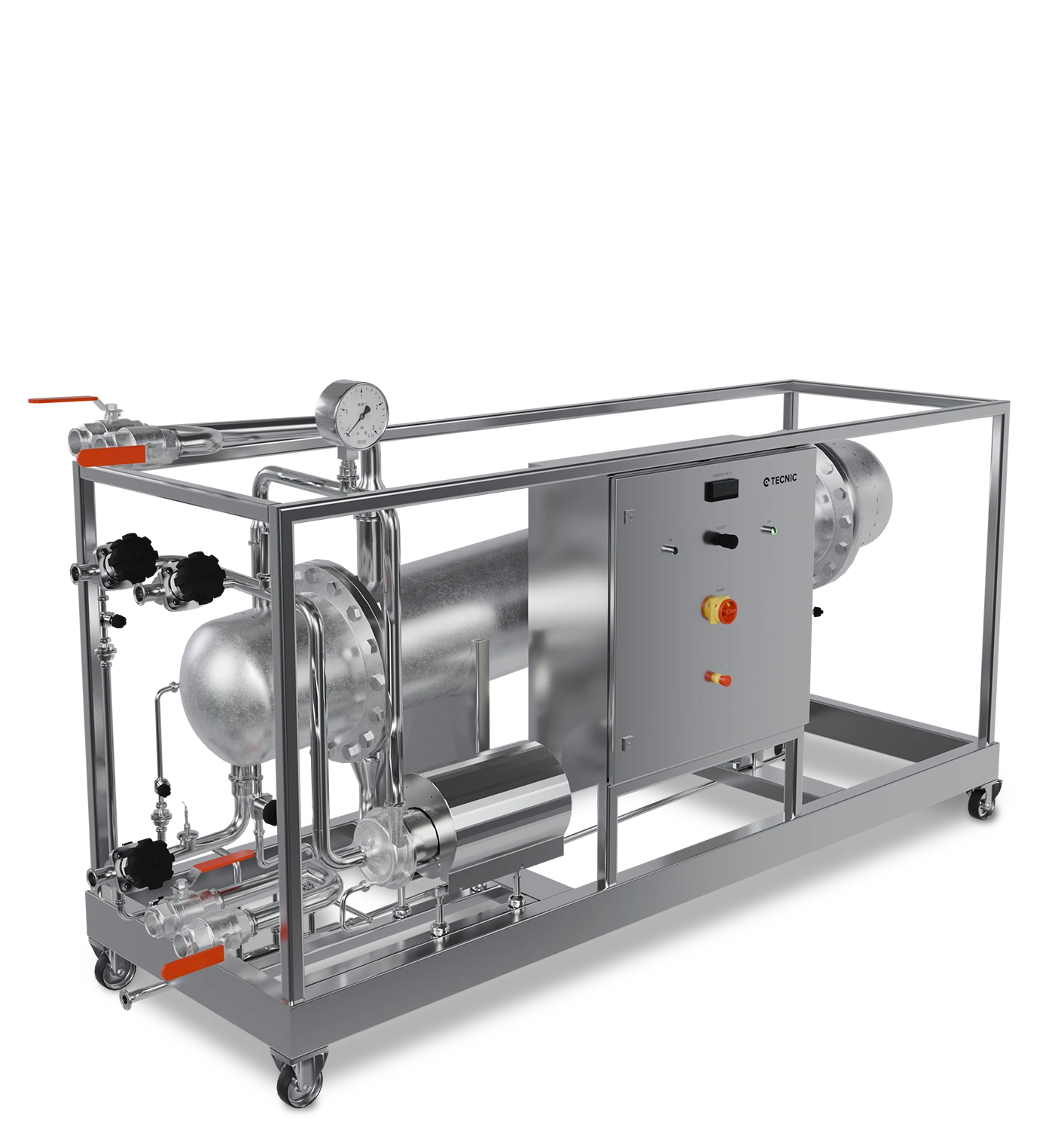

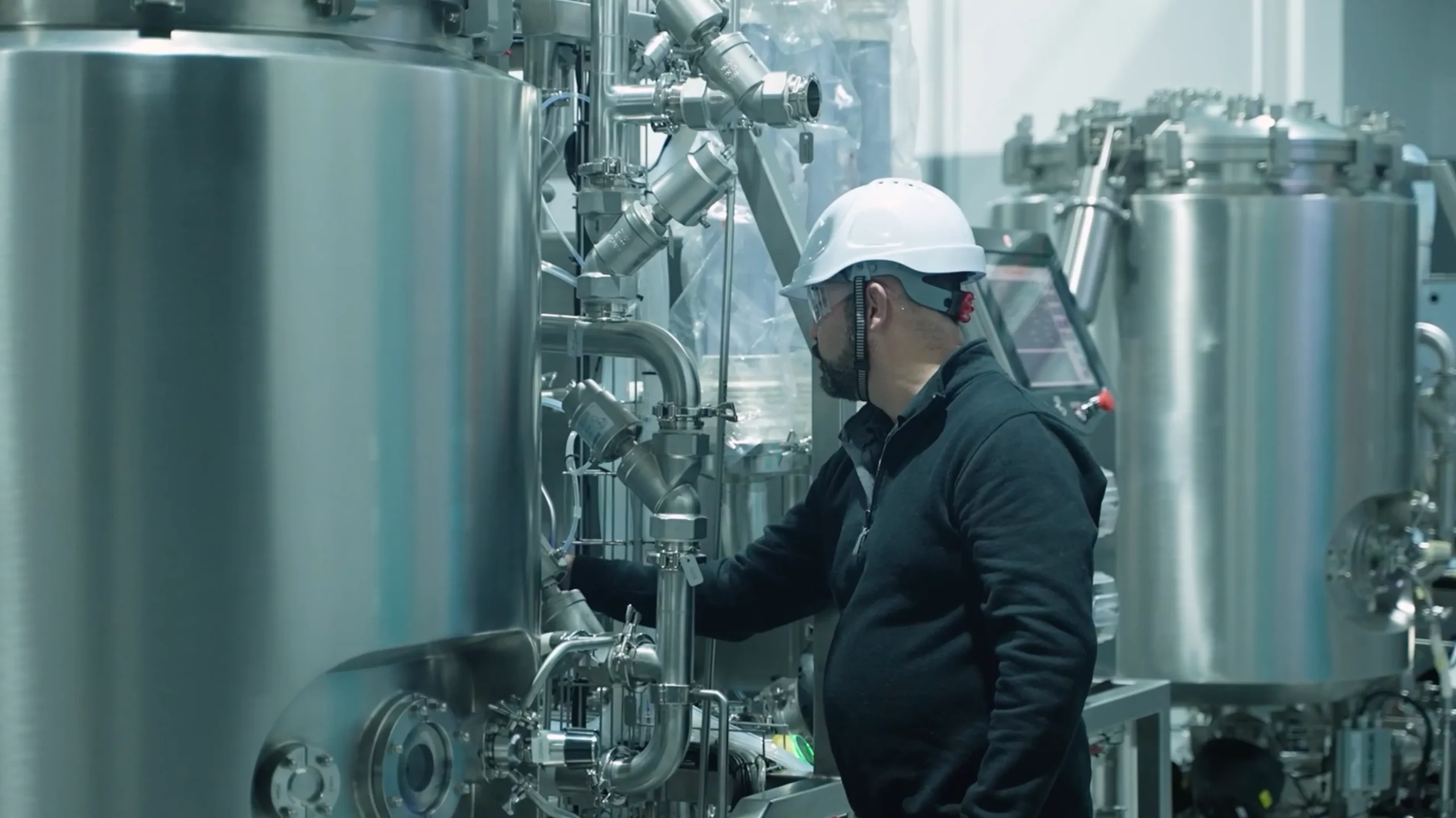
Tangential flow filtration systems are critical in downstream bioprocessing because they support concentration and diafiltration across the full development path, from early lab work to GMP production. The real challenge is not only filtration itself, but how to scale it without losing process consistency or product quality.
A TFF platform becomes much more valuable when it gives a coherent route from small membrane areas in development to large membrane areas in manufacturing while preserving control logic, product protection and operational reliability.
TFF scale-up is not only about bigger membrane area. It is about maintaining molecular integrity, process control and transfer logic from development to production.
Why TFF matters in downstream bioprocessing
Tangential flow filtration is one of the most important downstream operations in biopharmaceutical manufacturing because it supports ultrafiltration and diafiltration in a controlled and scalable way. It is widely used for concentrating biomolecules, exchanging buffers and preparing product streams for later downstream steps.
This makes TFF strategically important in monoclonal antibodies, recombinant proteins, vaccines, gene therapy and other sensitive biologics where yield and molecular integrity both matter.
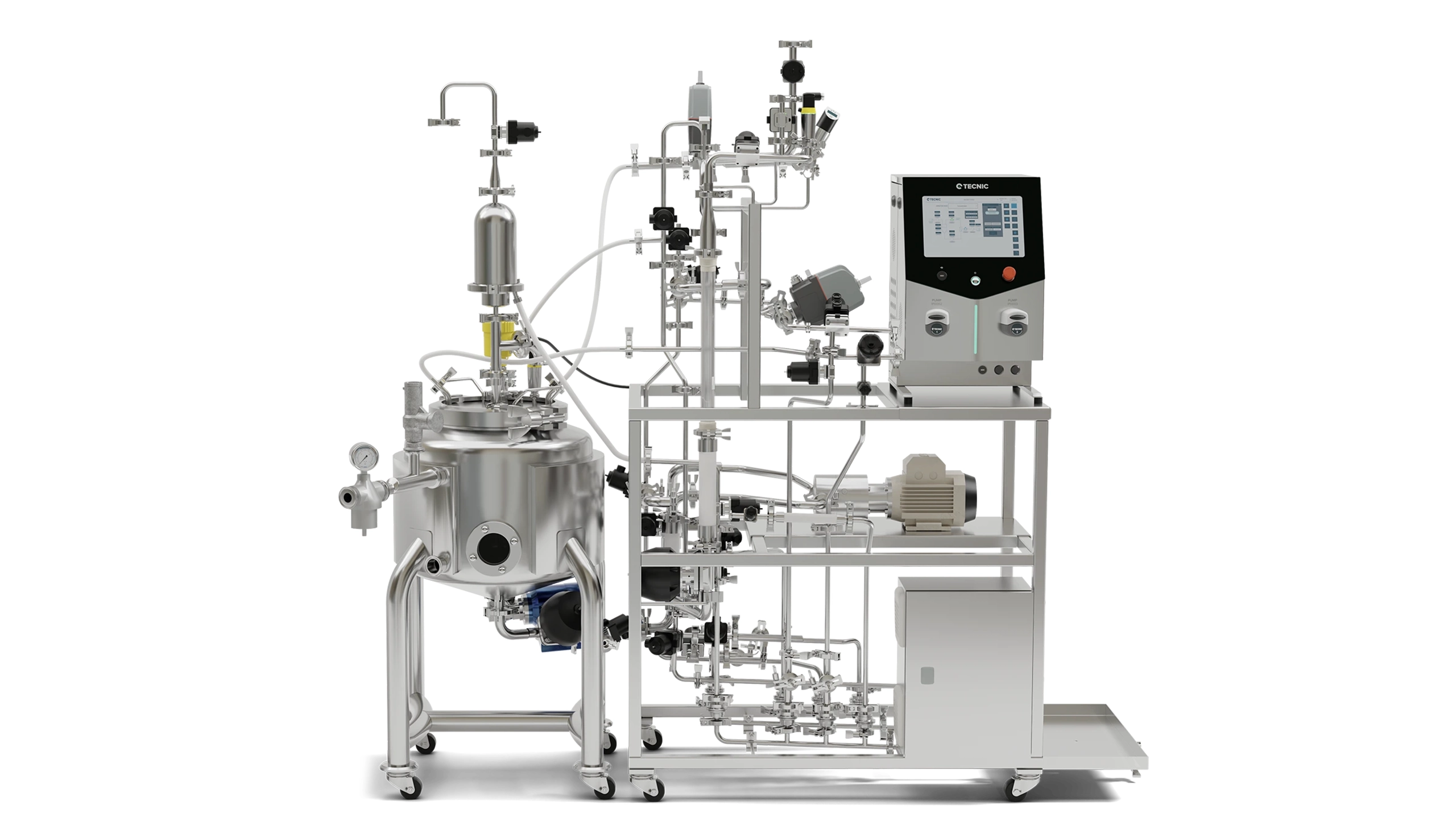
In modern biologics manufacturing, TFF is often not an accessory step, it is one of the core operations that determines yield and process consistency.
Main TFF scale-up challenges
TFF scale-up is demanding because a process that works well at laboratory level can drift when moved to pilot or production. Changes in hydrodynamics, hold-up volume, pump behavior and thermal effects can all affect product recovery and molecular stability.
Sensitive biologics can be damaged if the pumping and recirculation strategy is too aggressive.
Dead volume becomes especially important when the product is high value and every milliliter matters.
Stable membrane performance is harder to maintain when process load and duration increase.
The challenge is not simply making the system larger, it is making the larger system behave in a predictable way.
From 0.1 to 65 m², how the TFF scale path works
A strong TFF platform usually starts at development scale with very small membrane areas and moves toward pilot and production without forcing teams to rethink the whole process philosophy at each step. That continuity is what makes transfer faster and less risky.
| System level | Typical role | Membrane area range | Main value |
|---|---|---|---|
| Development scale | R&D, recipe definition and first UF/DF studies | 0.1 to 0.7 m² | Precision, low hold-up volume and strong process learning |
| Pilot scale | Scale-up, process optimization and early manufacturing work | Up to 6.5 m² | Transfer bridge between lab logic and industrial reality |
| Production scale | GMP manufacturing and industrial throughput | Up to 65 m² | Robustness, automation and validated large-scale performance |
What makes a good TFF platform from lab to GMP production
A good TFF platform should do more than filter. It should help teams protect the molecule, simplify transfer, reduce unnecessary revalidation and integrate well with industrial automation and regulatory needs.
Important when antibodies, vectors or other sensitive molecules need stronger mechanical protection.
Important when development material is expensive and recovery matters from the first runs.
Important when the process needs repeatability, recipe control and clean scale-up documentation.
How teams should evaluate a TFF system before scaling up
A good TFF decision usually depends on how the system behaves across the full process path, not only on the maximum membrane area printed in the brochure.
In TFF scale-up, consistency is often more valuable than isolated peak performance at one single scale.
How TECNIC fits this TFF scale-up workflow
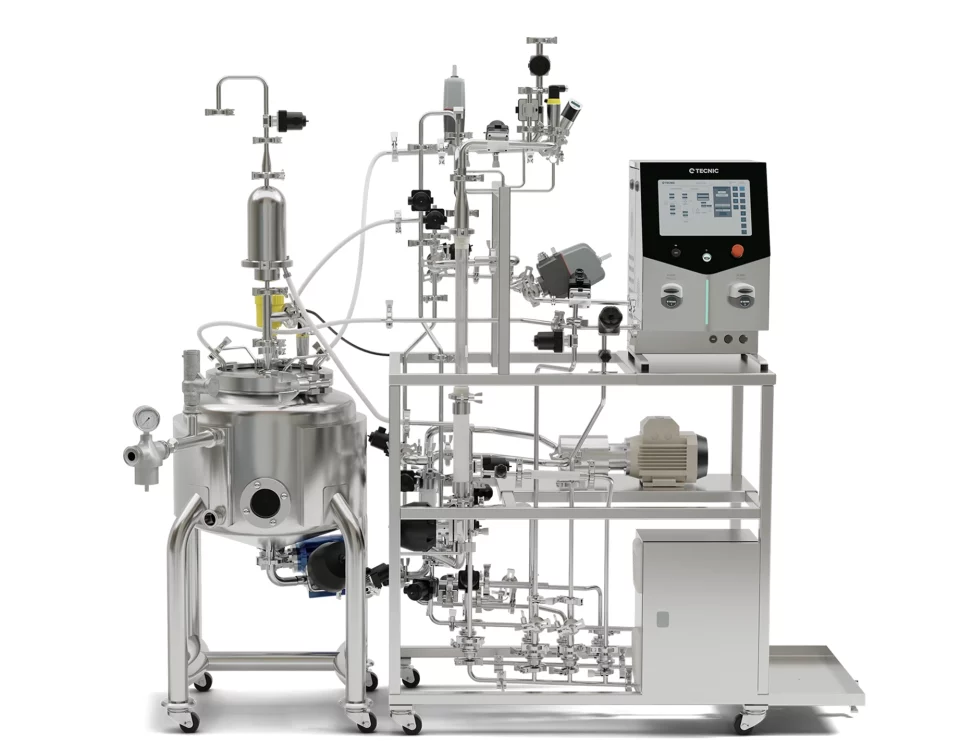
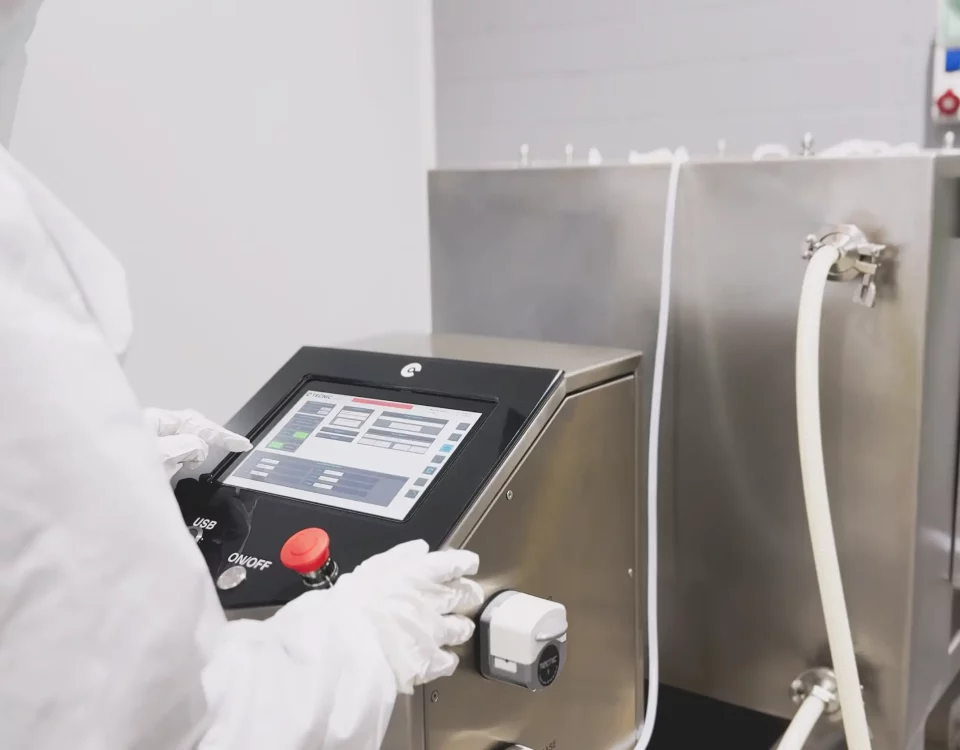
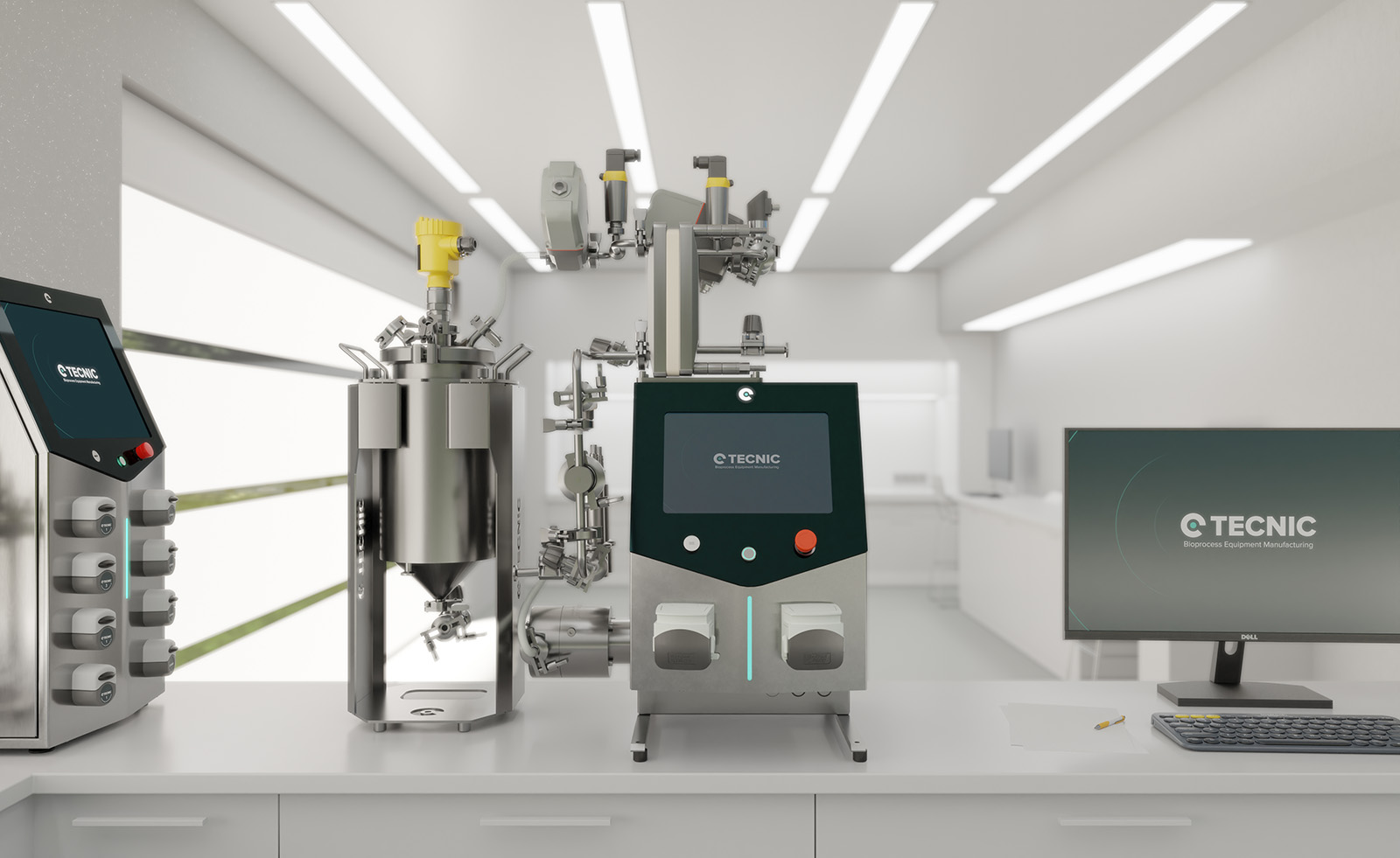
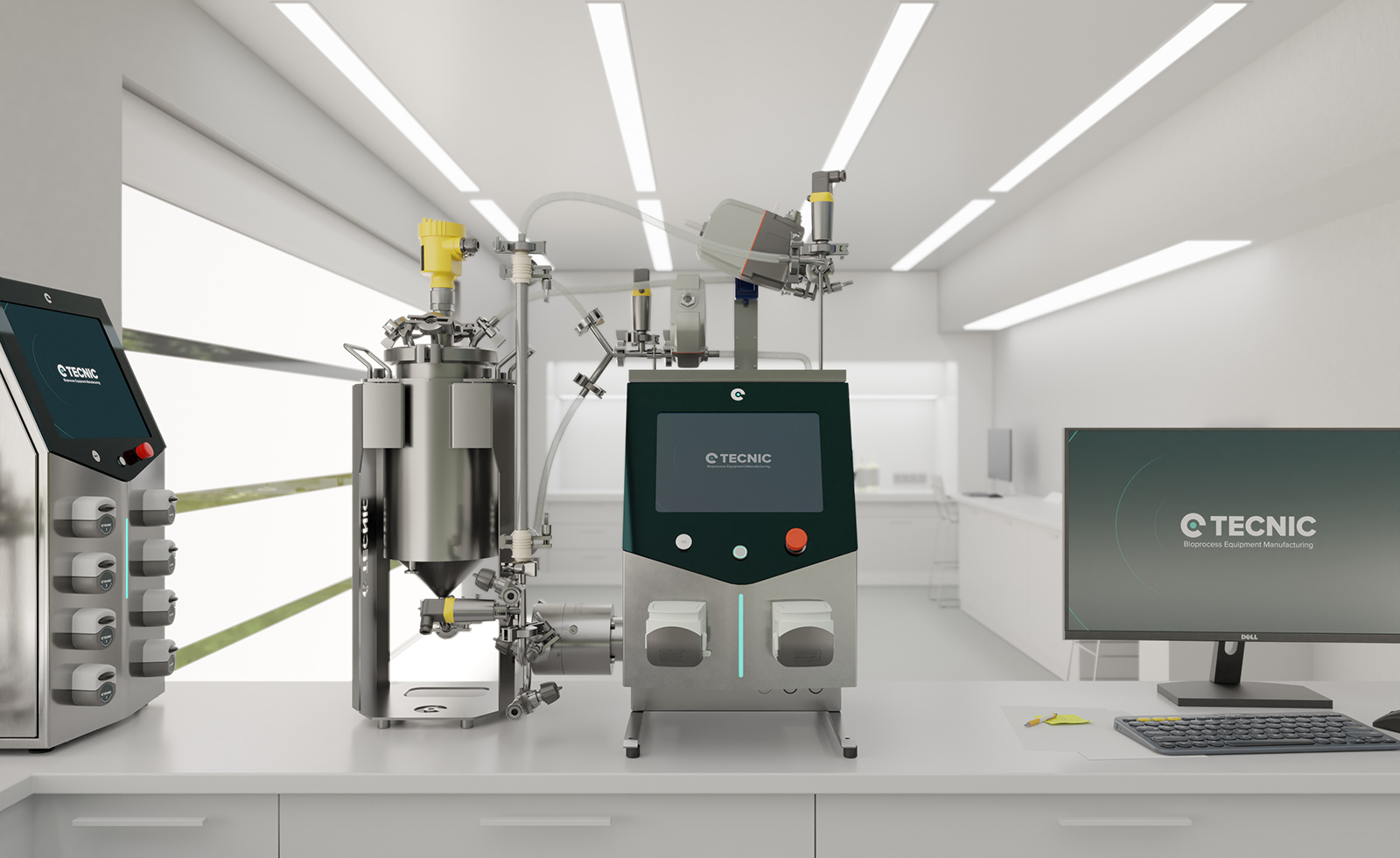
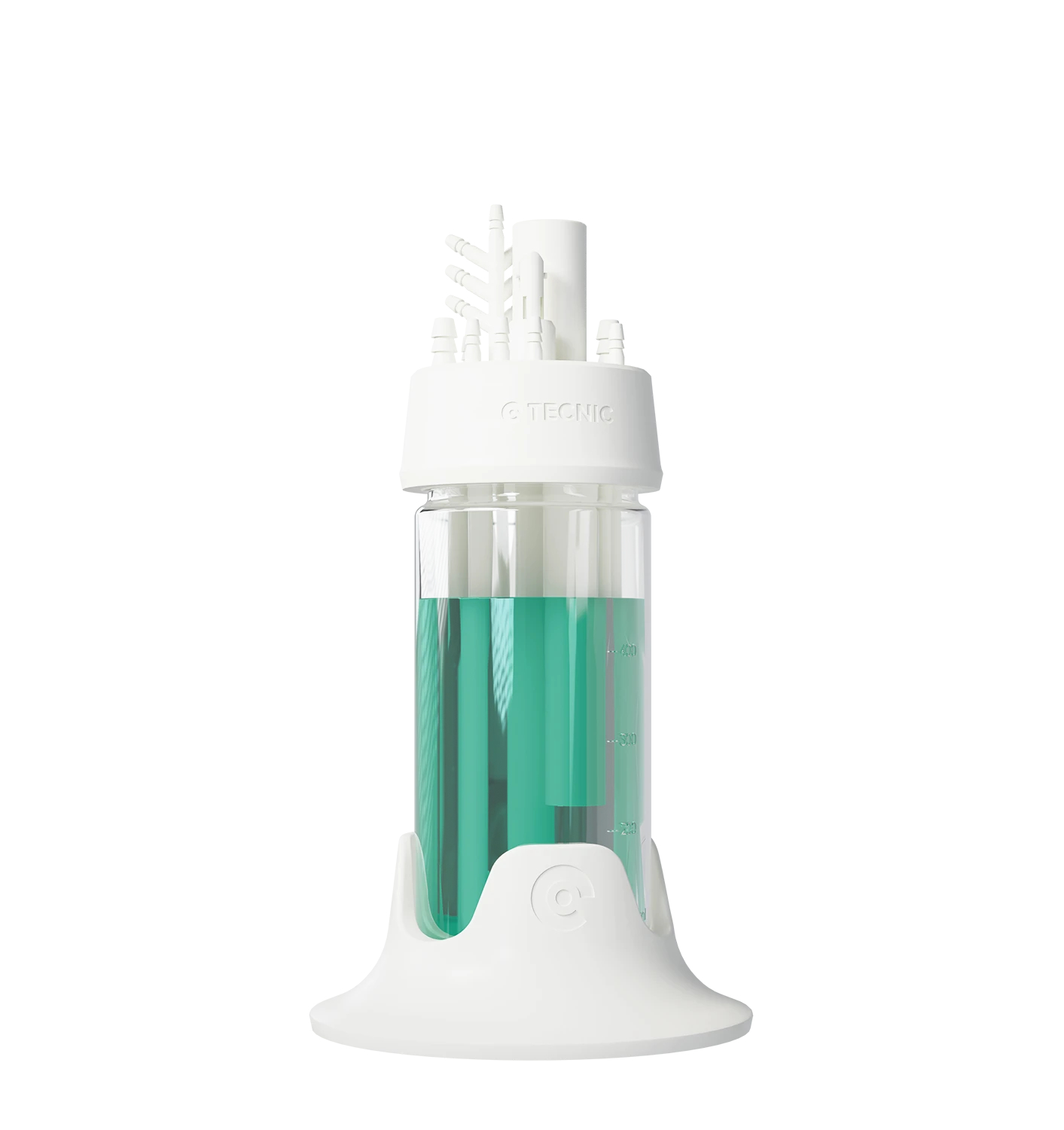
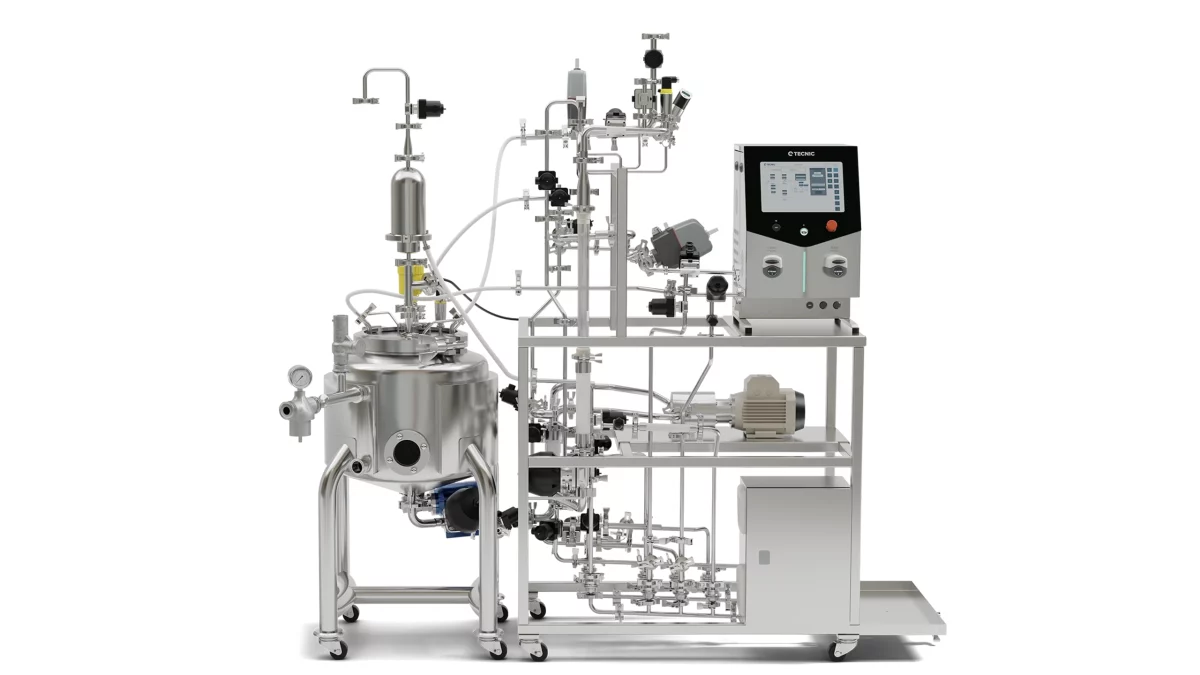
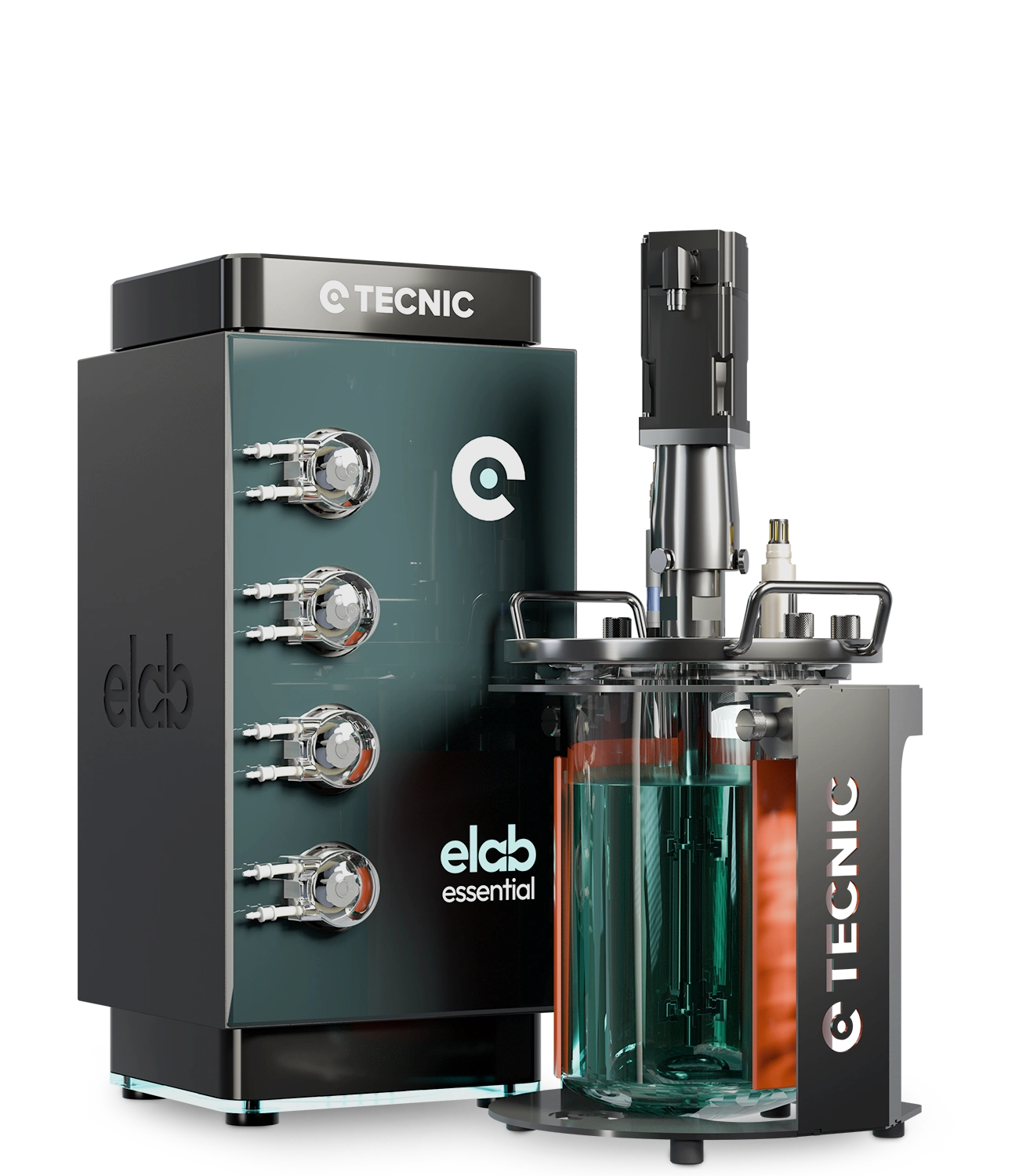
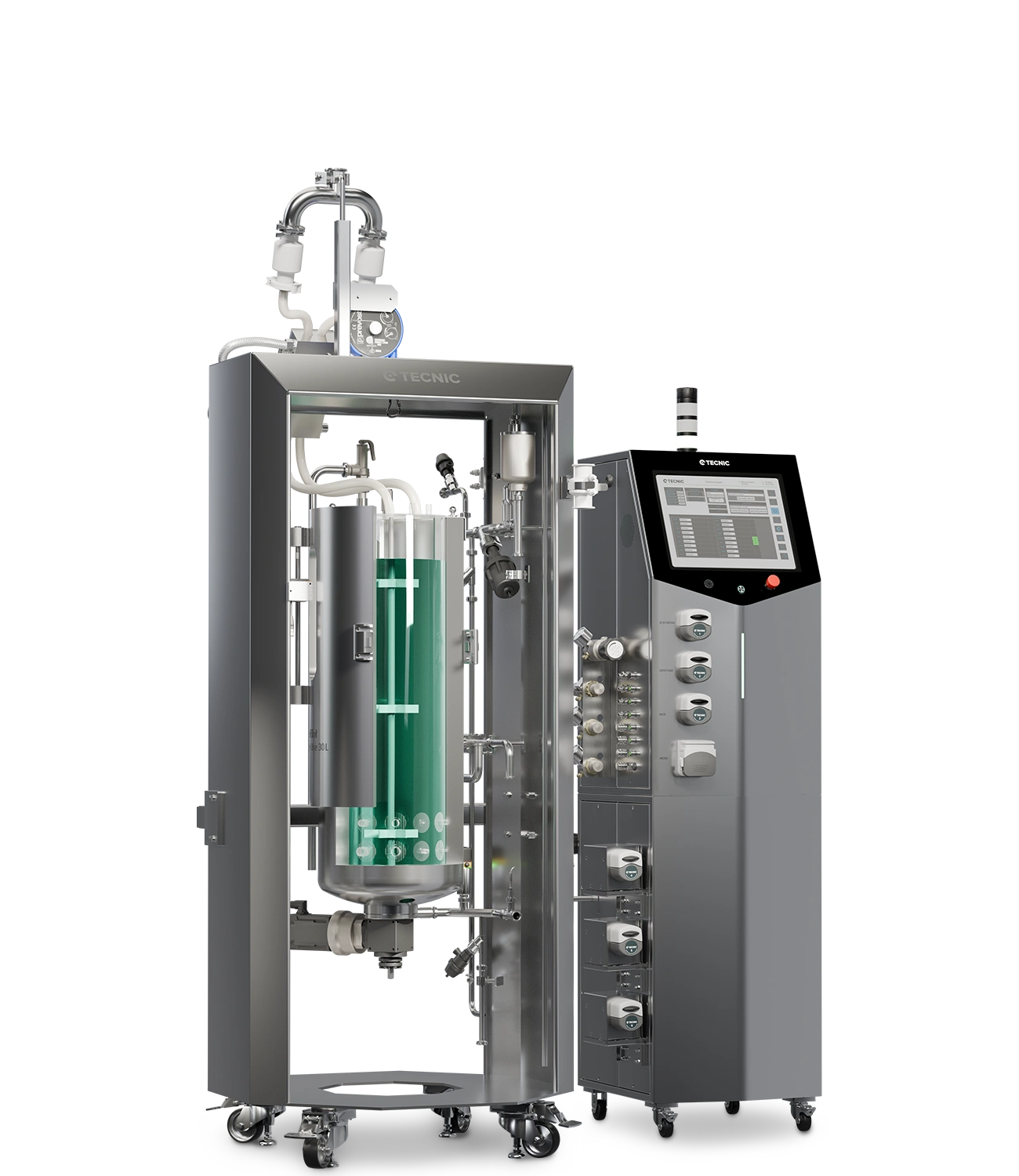
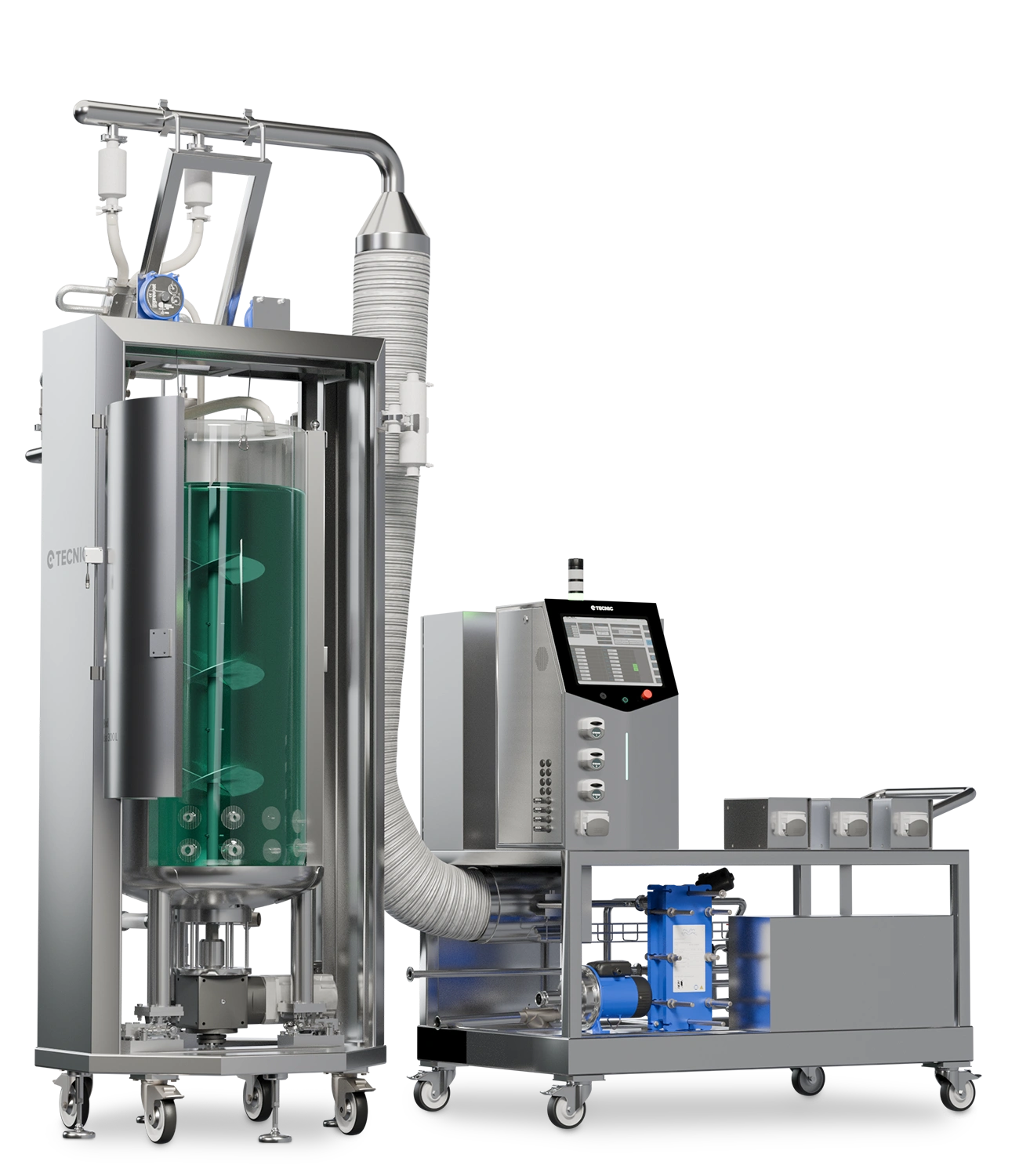
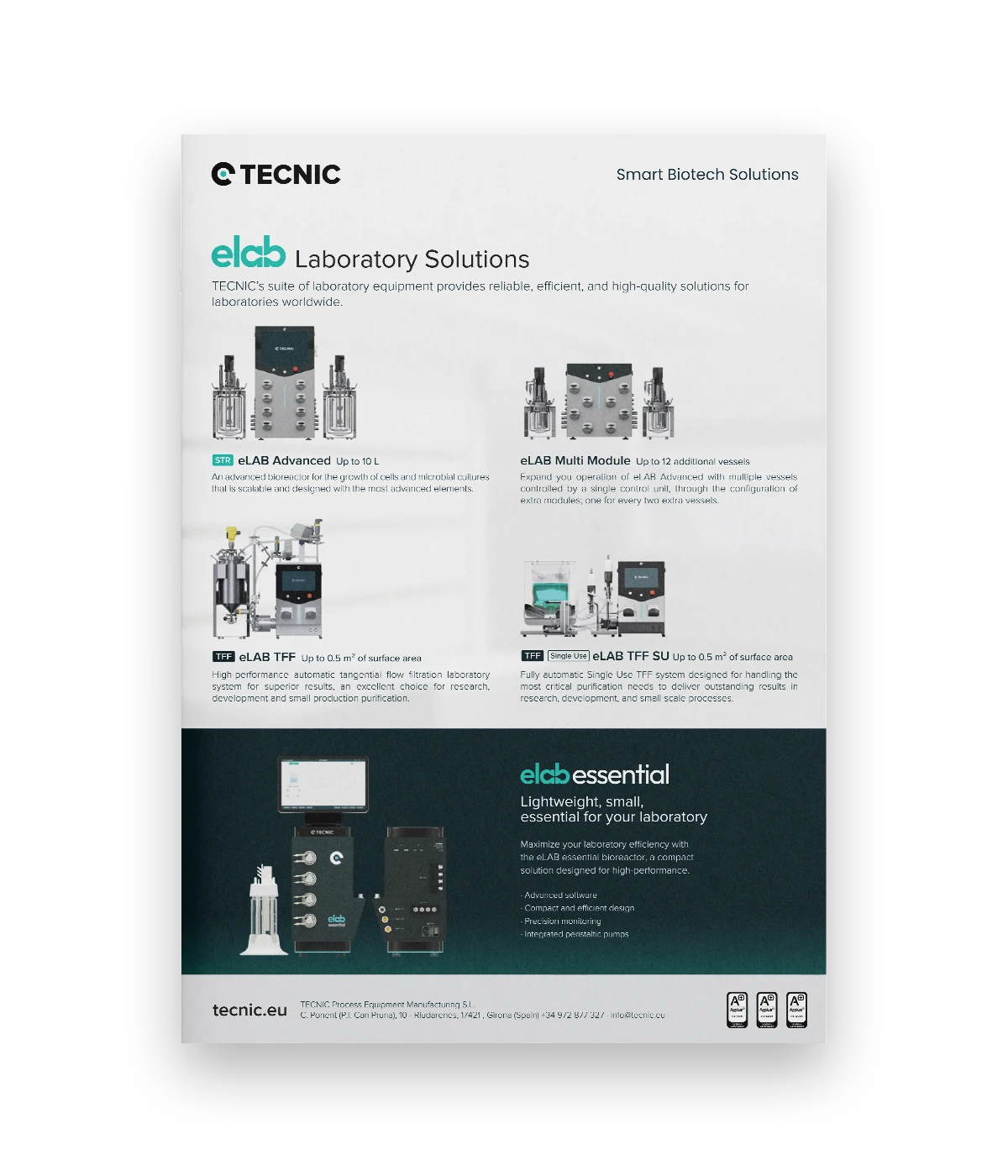
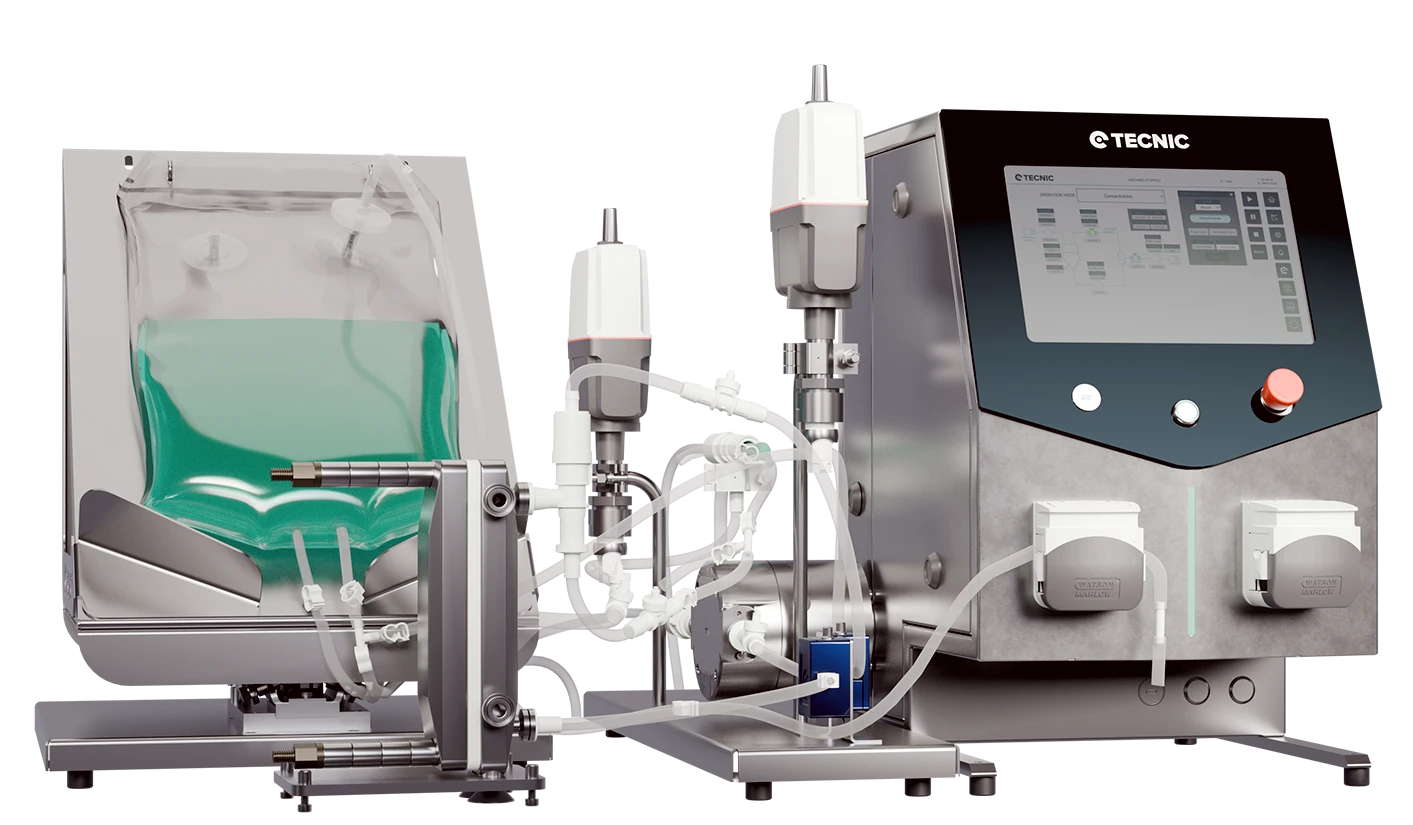
TECNIC fits this topic directly because the current TFF range is structured as a complete scale-up path, from eLAB TFF and eLAB TFF SU to ePILOT TFF and ePROD TFF. The portfolio is built around consistent process logic, low-shear pumping and stronger automation as scale increases.
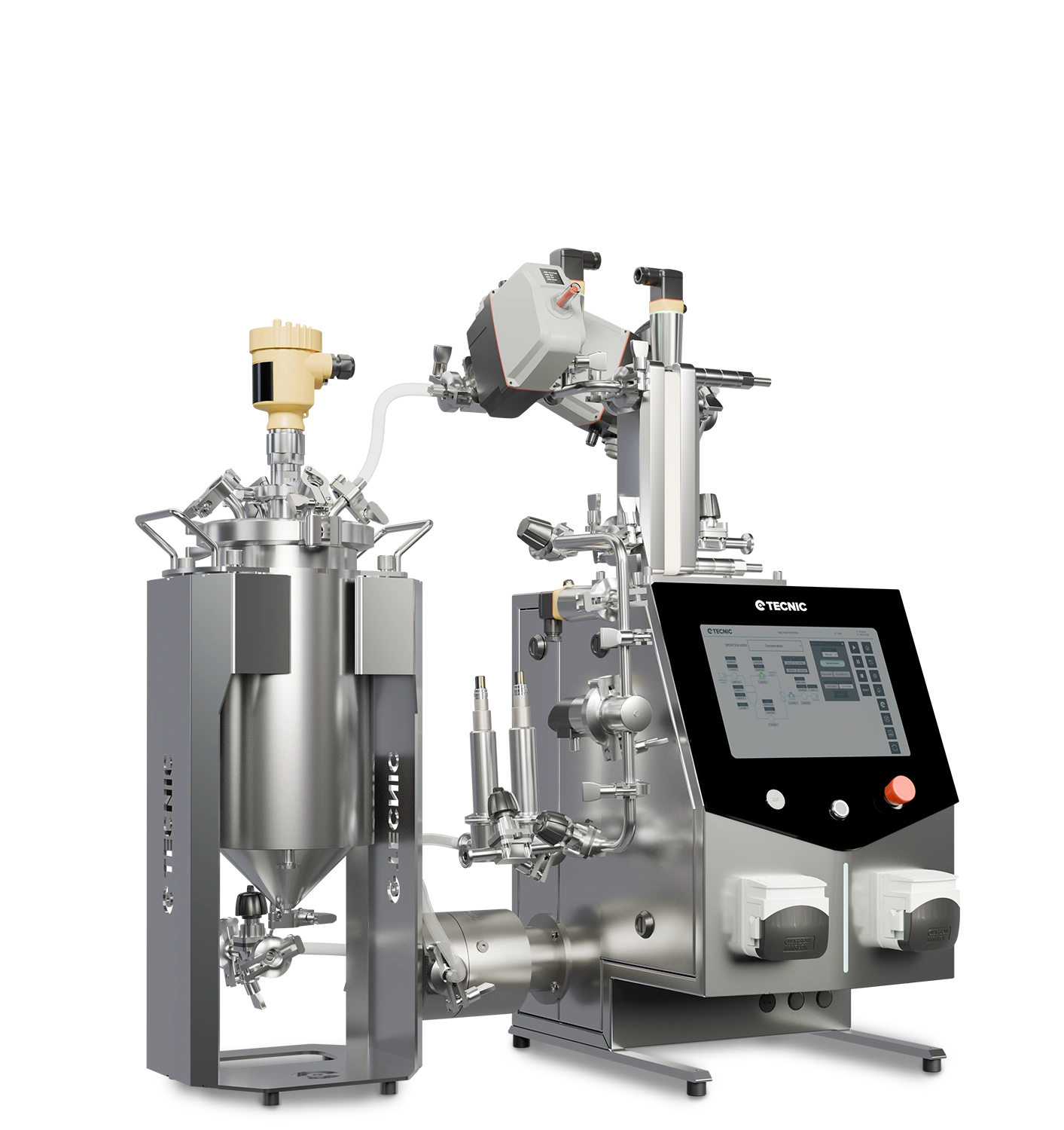
eLAB TFF and eLAB TFF SU
Relevant for R&D, process definition and high-value development work where low hold-up volume and gentle handling matter.
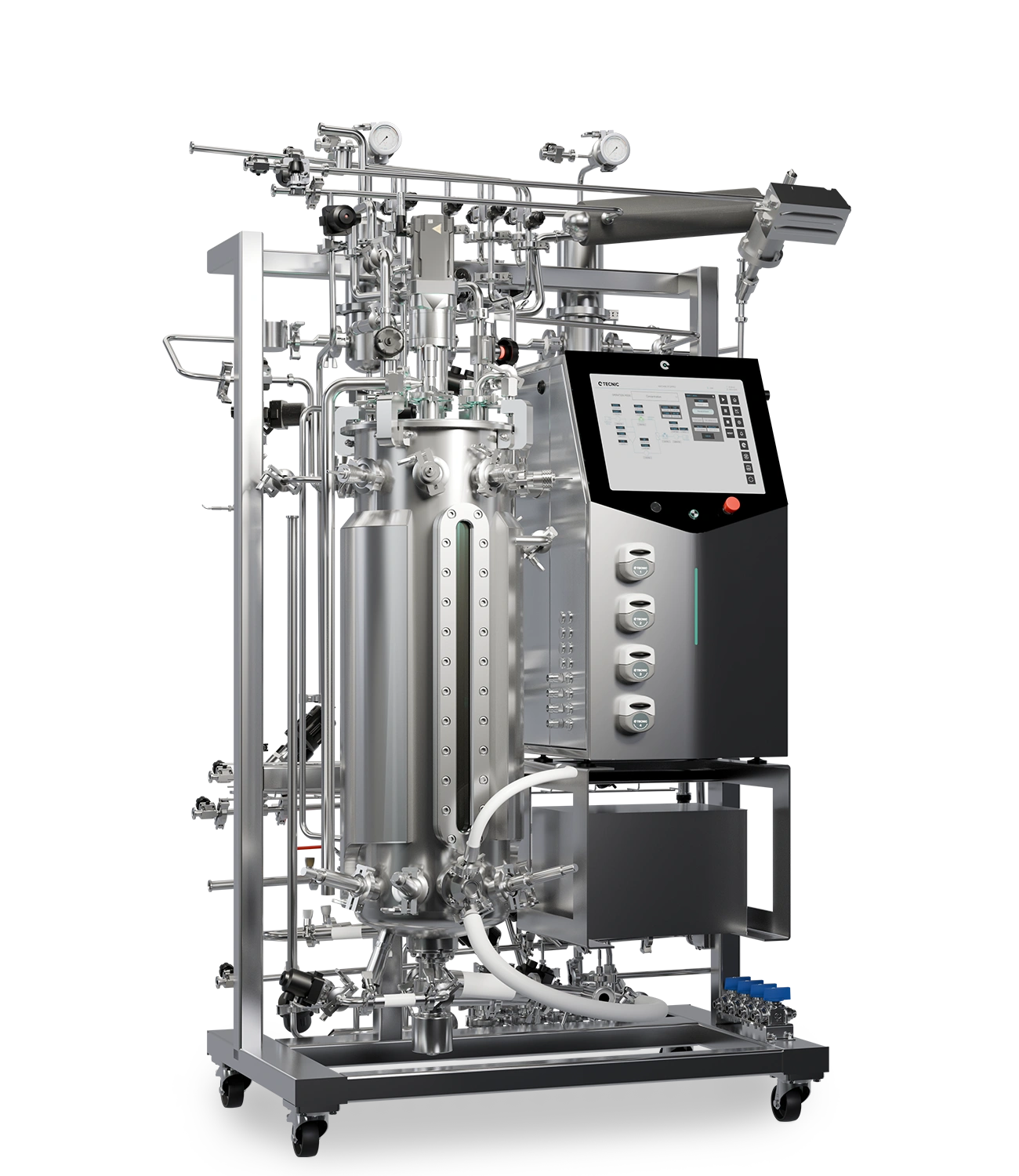
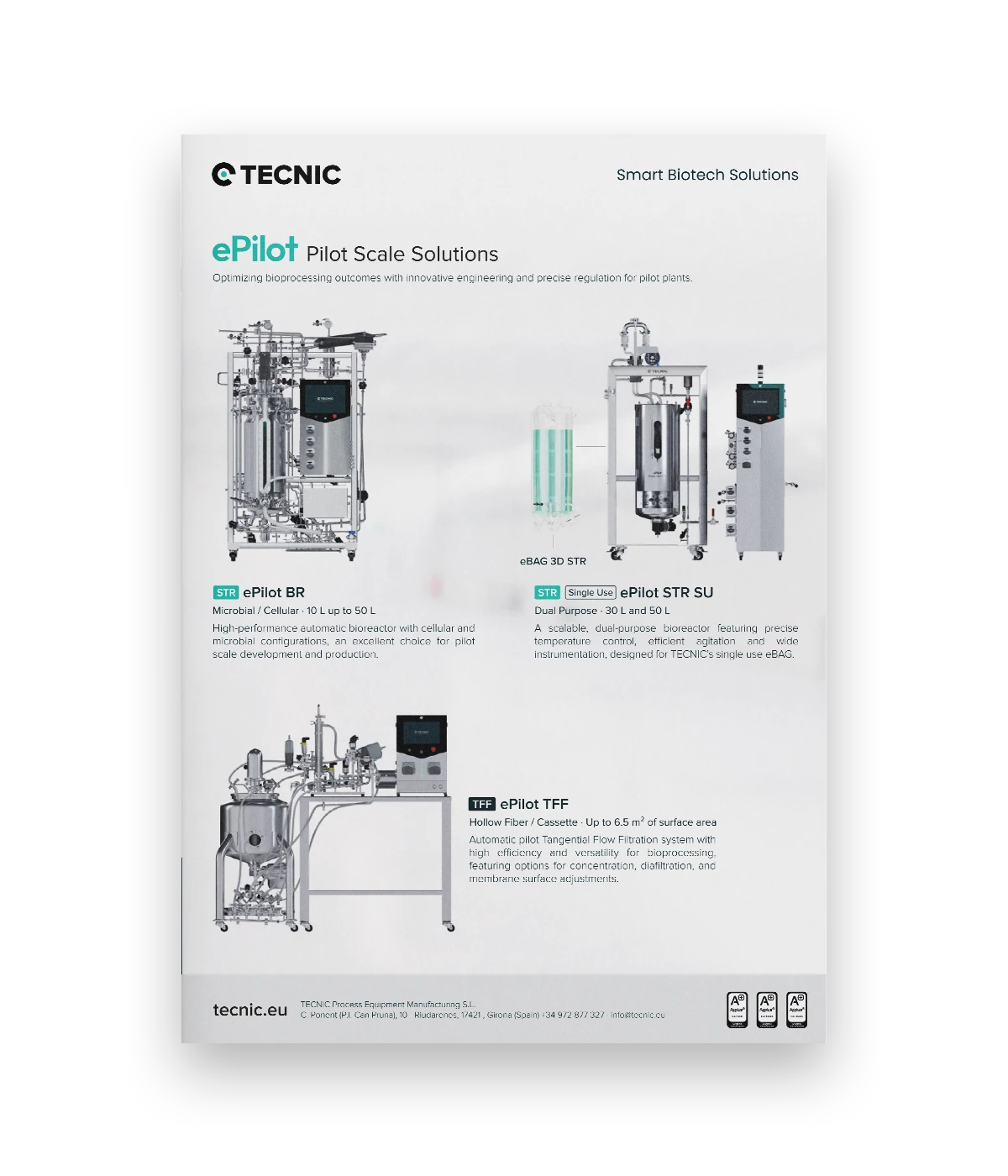
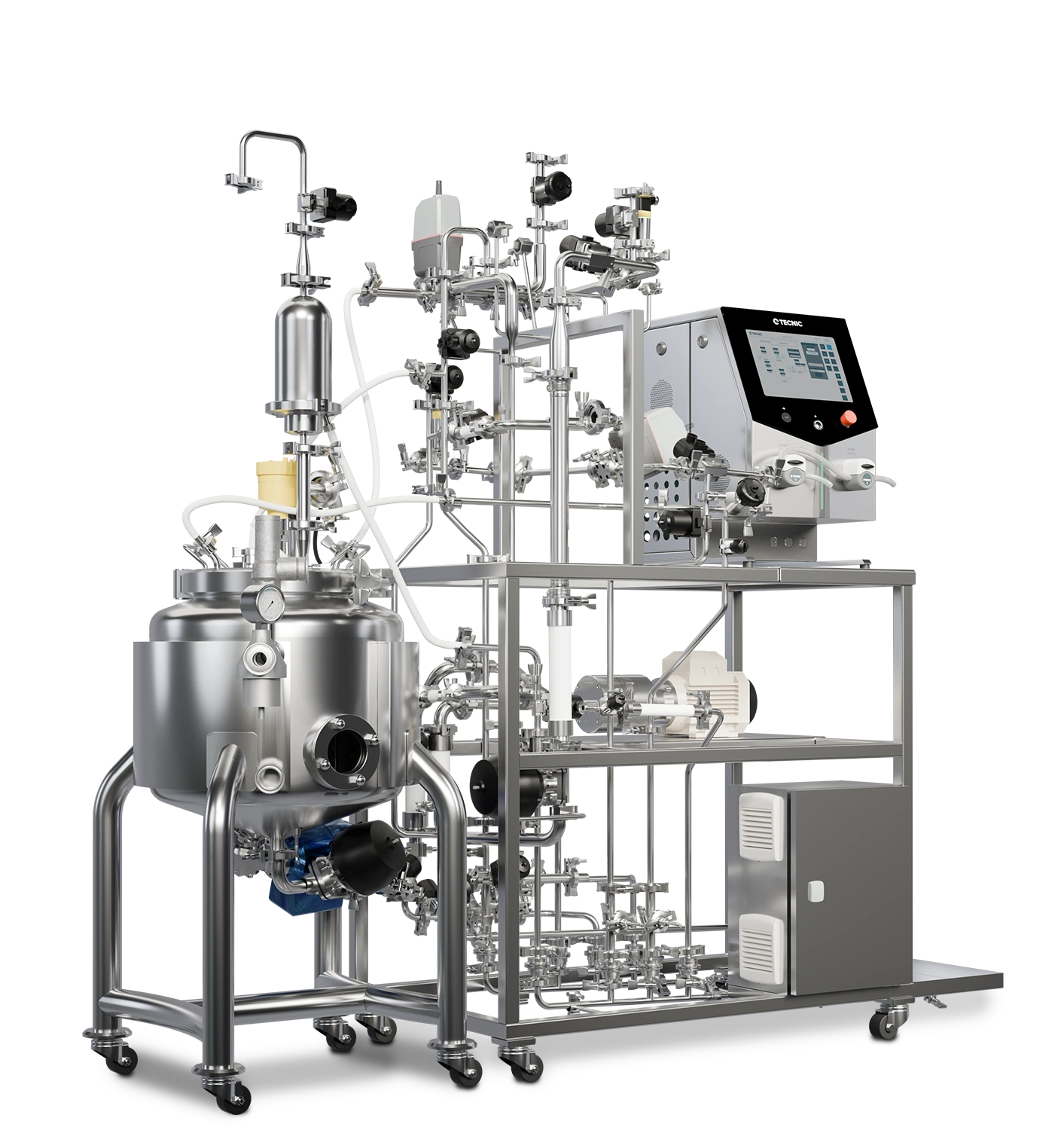
ePILOT TFF
Relevant when the process needs a real bridge from development toward larger and more industrially representative execution.
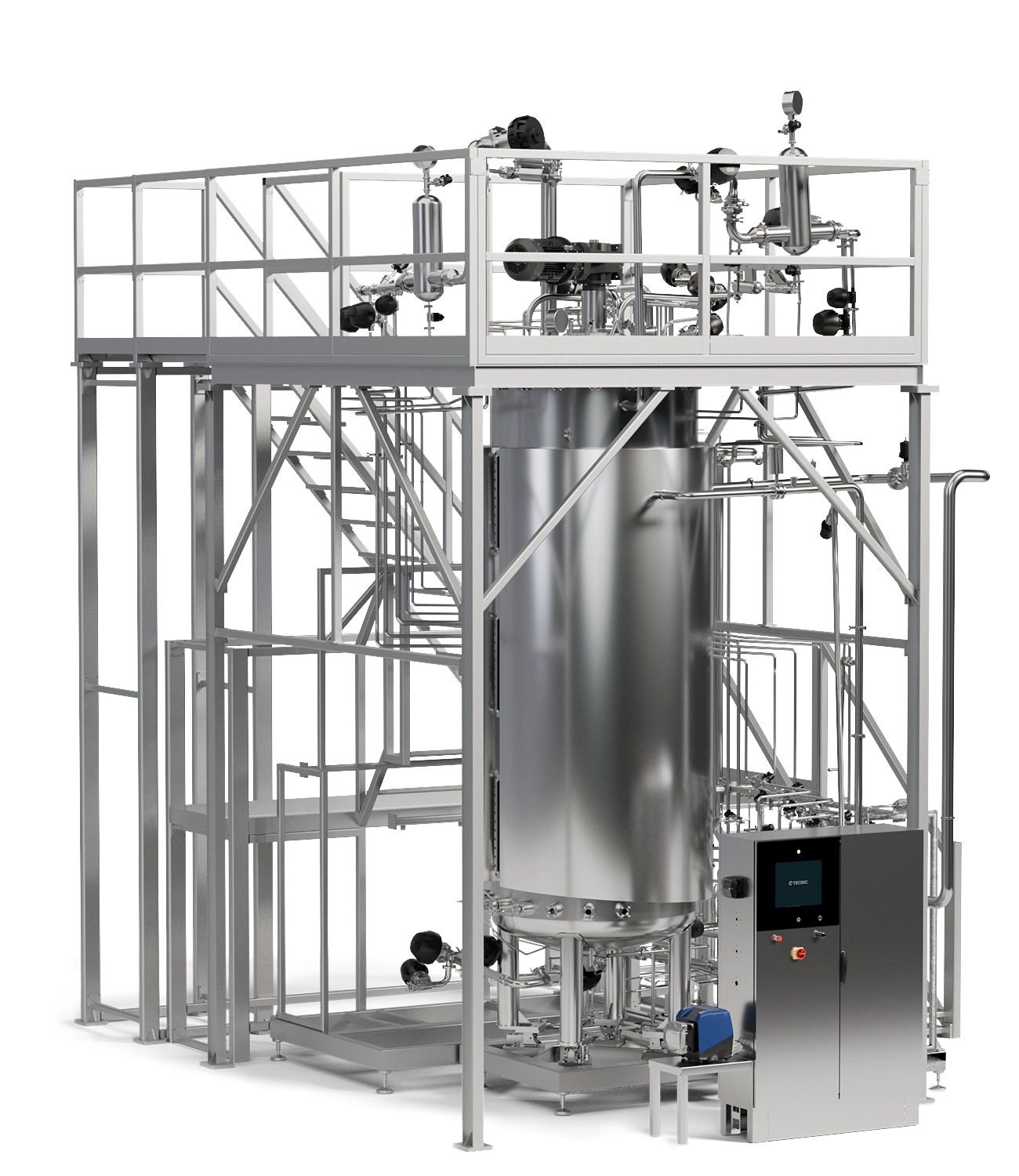
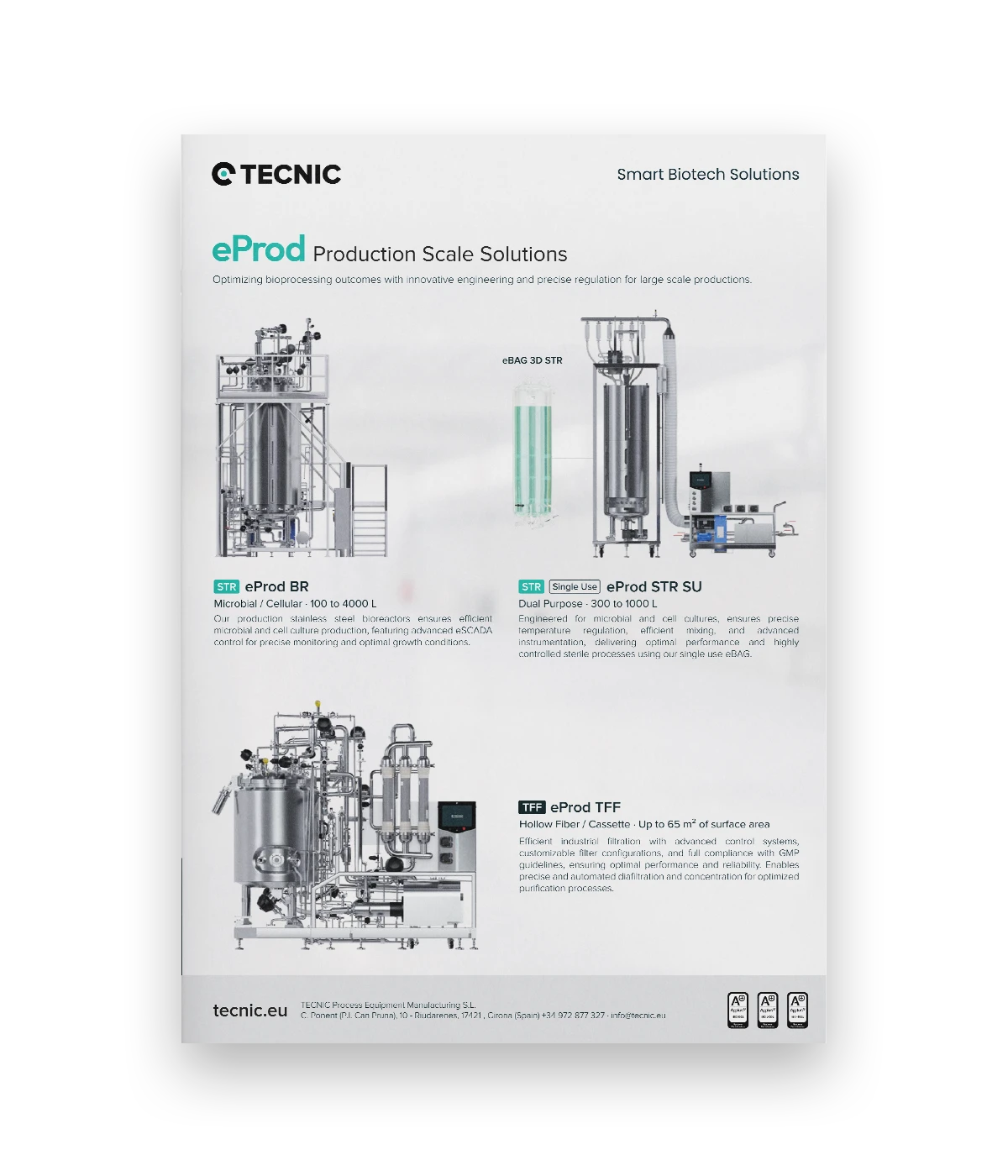
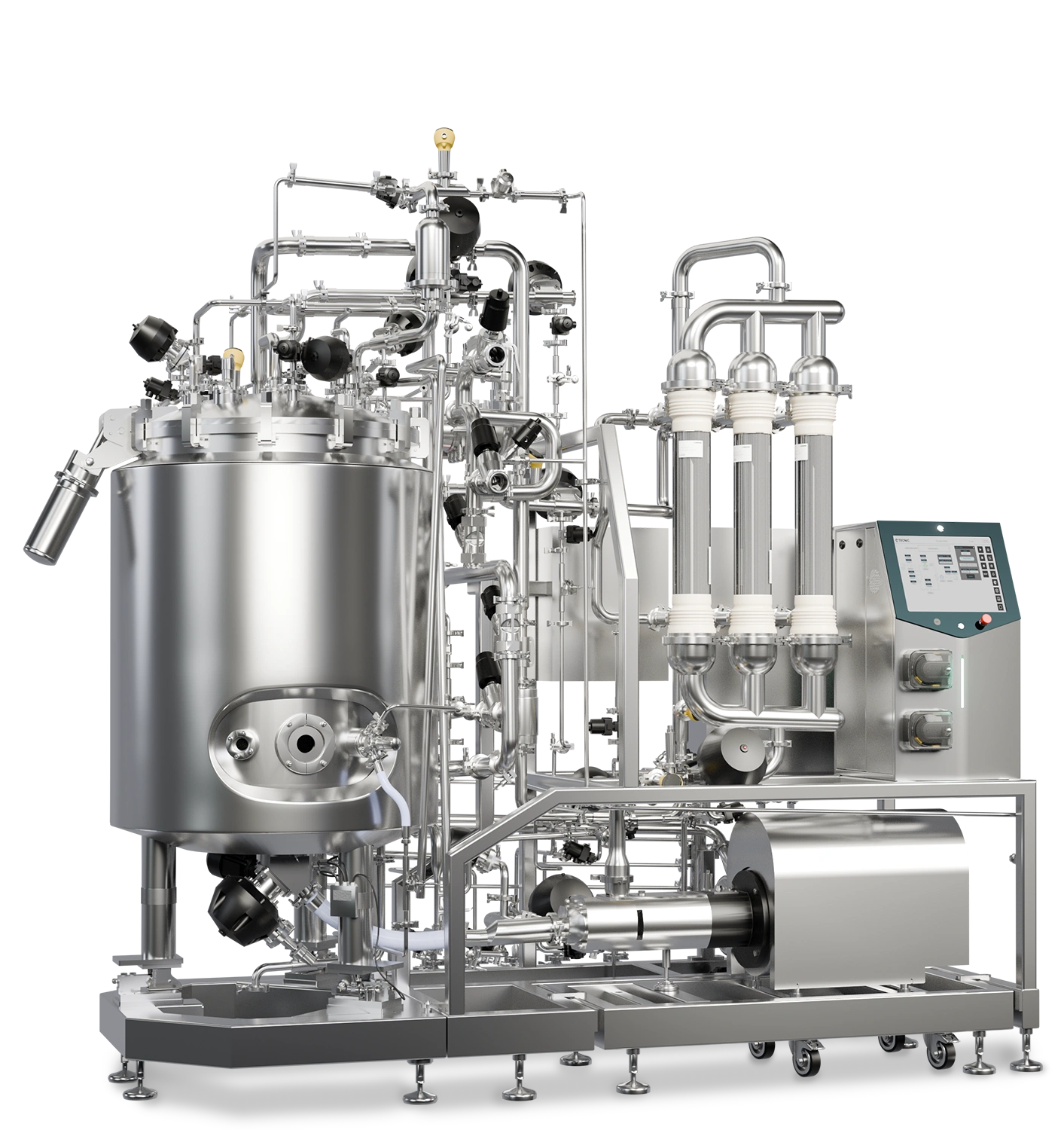
ePROD TFF
Relevant for GMP production where membrane area, industrial robustness and validated operation become essential.
TFF systems overview
Useful for readers who want to understand the full filtration range as one connected scale strategy.
This article works best when TFF is presented as a complete scale-up platform, not only as a filtration device with multiple sizes.
Frequently asked questions
What is TFF used for in biopharmaceutical manufacturing?
It is mainly used for concentration and diafiltration, especially in downstream processing of sensitive biomolecules.
Why is low-shear pumping important in TFF?
Because many biologics are sensitive to mechanical stress and can lose quality if the recirculation strategy is too aggressive.
Why does hold-up volume matter so much at development scale?
Because even small product losses matter when the material is expensive or available only in limited quantity.
What is the advantage of scaling TFF through one platform family?
It helps preserve process logic and reduces transfer risk between lab, pilot and production stages.
What should teams look for in a production-scale TFF system?
Industrial robustness, automation, traceability, GMP readiness and a design that supports validated operation.
Planning a TFF scale-up path from development to production?
Explore TECNIC’s TFF systems or speak with our team to review the right route from 0.1 m² to 65 m².