



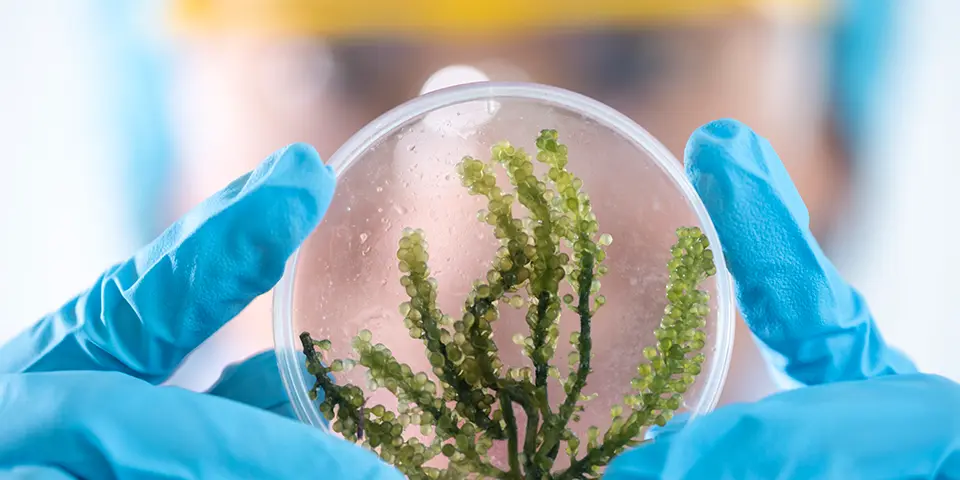
Blue biotechnology is the branch of biotechnology that uses aquatic organisms and marine environments to create useful products and processes. It connects marine biodiversity with applications in health, food, agriculture, energy, cosmetics and environmental restoration.
What makes blue biotechnology especially interesting is that it combines discovery with sustainability. Marine organisms can provide bioactive compounds, renewable raw materials and biological systems that support cleaner industrial solutions and ecosystem recovery.
Blue biotechnology turns marine biological resources into practical solutions, from new compounds and ingredients to environmental tools and process innovations.
What is blue biotechnology?
Blue biotechnology applies biotechnological techniques in aquatic environments to transform marine and freshwater resources into useful products or services. In practice, this includes working with algae, microalgae, bacteria, fungi, fish, sponges and other organisms linked to water ecosystems.
It is not limited to one industry. Its value comes from the diversity of marine biology and the fact that these ecosystems contain compounds and biological functions that are often very different from those found on land.
Blue biotechnology is not only about the sea, it is about turning aquatic biodiversity into controlled and useful biotechnology.
What is blue biotechnology used for?
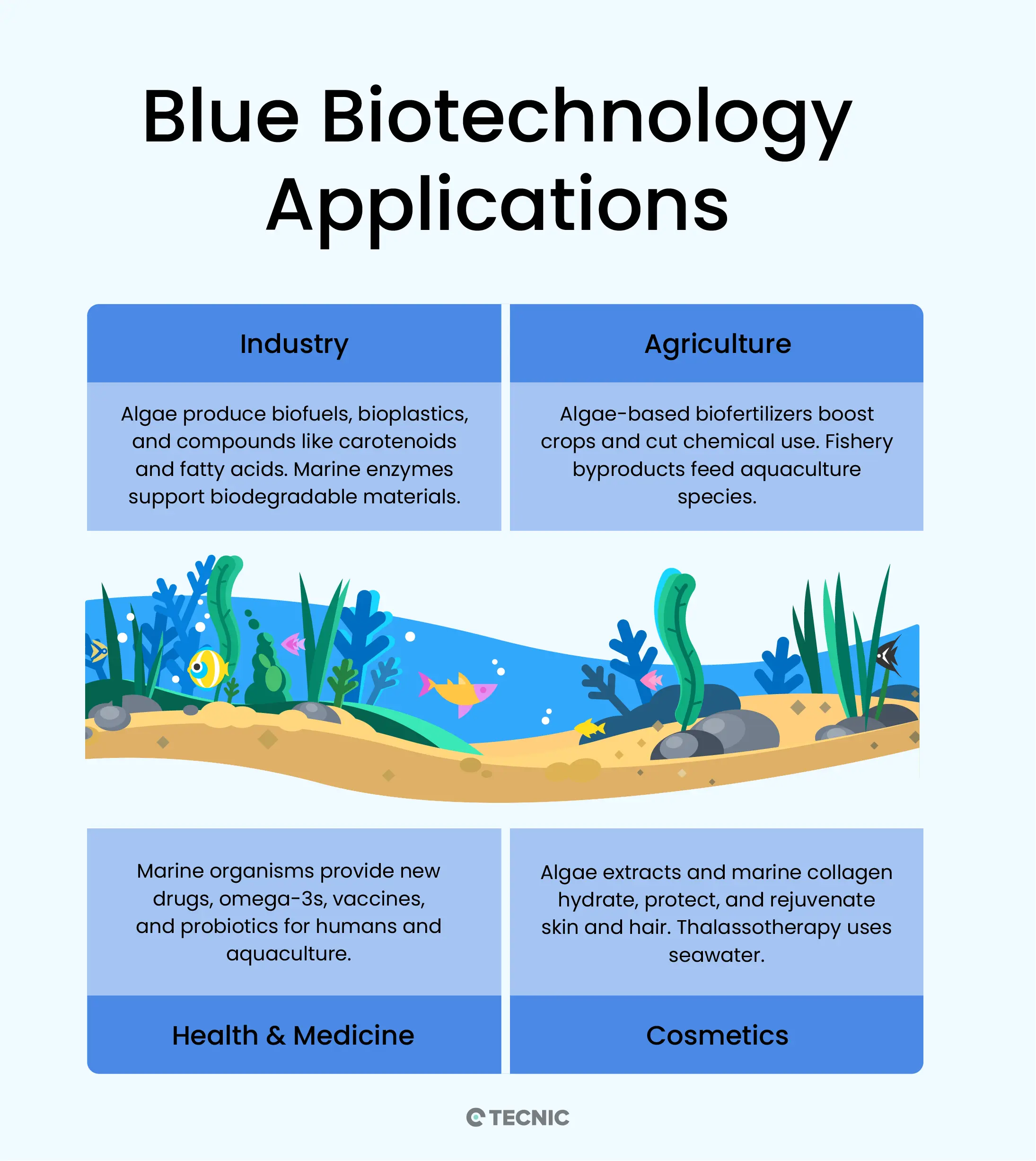
Blue biotechnology is used to discover and develop products across several sectors. Marine organisms can provide bioactive compounds for medicine, ingredients for cosmetics, feed and fertilizers for agriculture, and biomass or metabolites for sustainable industrial applications.
Marine compounds are studied and used in pharmaceuticals, nutraceuticals and other health-related products.
Microalgae, proteins and marine-derived compounds can support nutritional and feed applications.
Marine algae and related extracts are used in biofertilizers and biostimulants.
Marine biology supports materials, biofuels and other lower-impact industrial development routes.
Main application areas of blue biotechnology
The most useful way to understand blue biotechnology is through its main application areas. The field grows because it links marine biology to real economic and scientific needs.
Medicine and health
Marine organisms can provide compounds for anti-cancer research, antimicrobial applications, nutritional supplements and other high-value uses.
Cosmetics and consumer products
Marine extracts, collagen and algae-derived compounds are used for antioxidant, moisturizing and regenerative product claims.
Blue biotechnology becomes especially relevant when marine biodiversity can be translated into reproducible and scalable process routes.
How blue biotechnology helps the environment
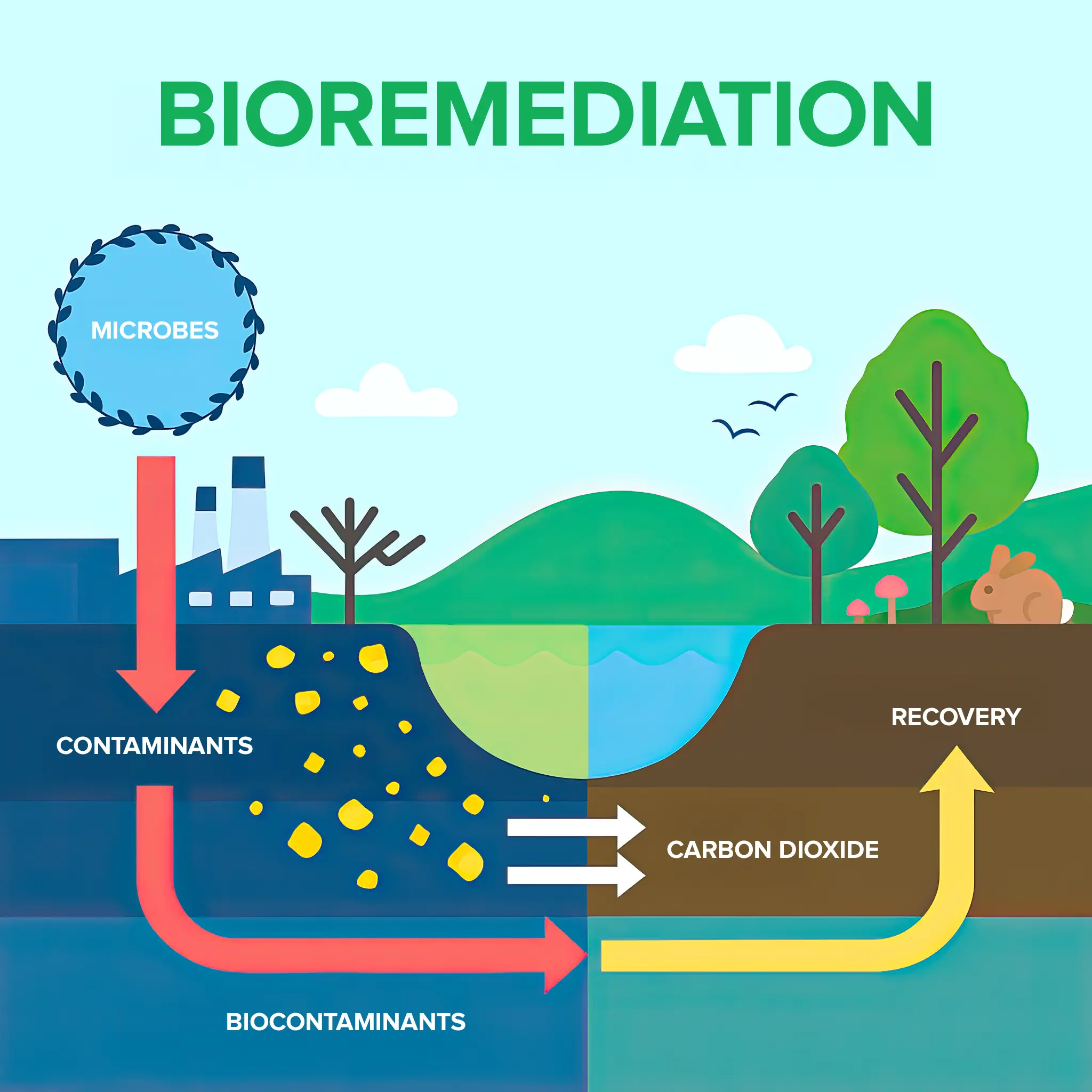
One of the strongest aspects of blue biotechnology is its environmental relevance. It can support bioremediation, wastewater treatment, biological monitoring and even carbon-related ecosystem restoration through marine and aquatic systems.
This gives the field a dual role. It can generate high-value products, but it can also help restore or protect environments damaged by pollution, industrial pressure or climate-related change.
Benefits and challenges of blue biotechnology
Blue biotechnology offers strong opportunities, but it also has real challenges. Marine resources can support innovation and sustainability, yet many marine-derived processes remain difficult to industrialize or scale efficiently.
Blue biotechnology has strong promise, but it only creates long-term value when discovery, process control and sustainability move together.
How TECNIC fits this workflow
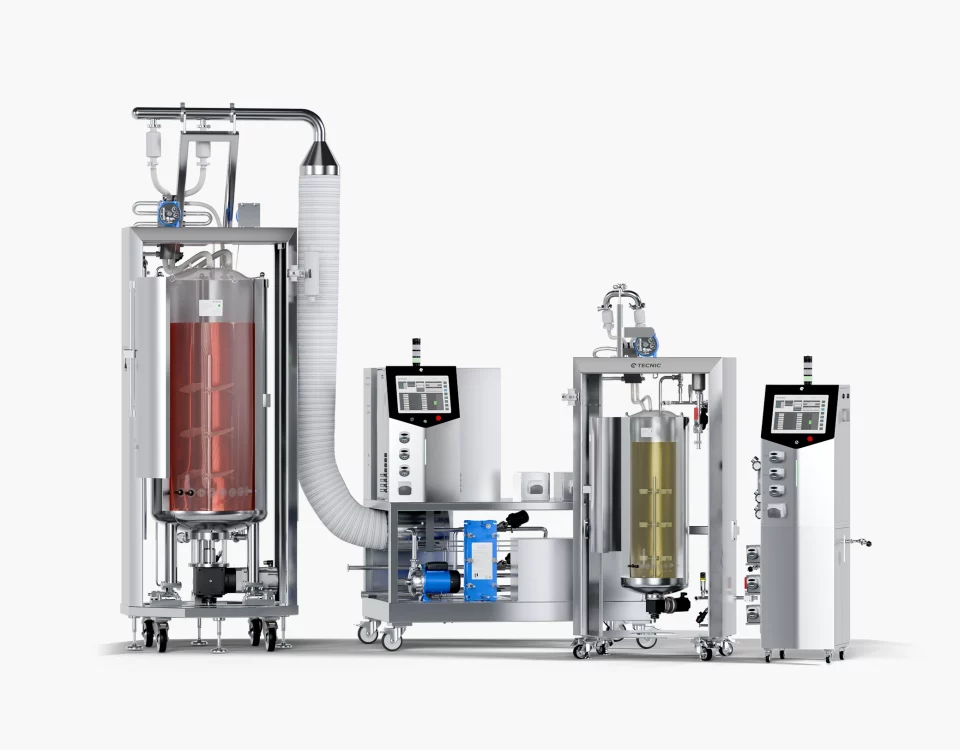
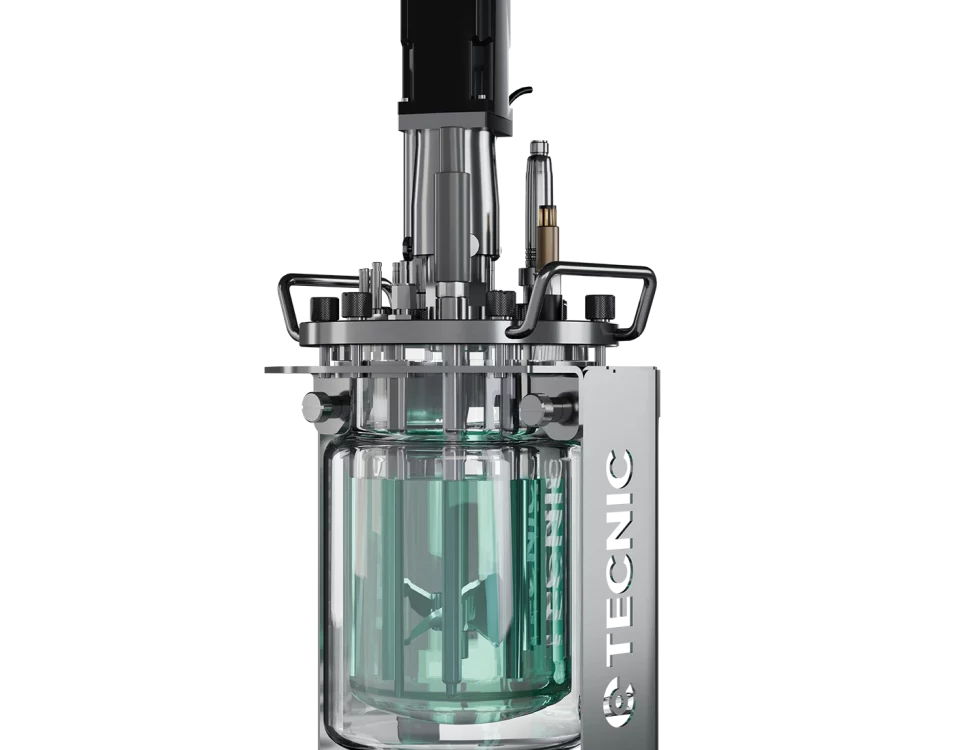
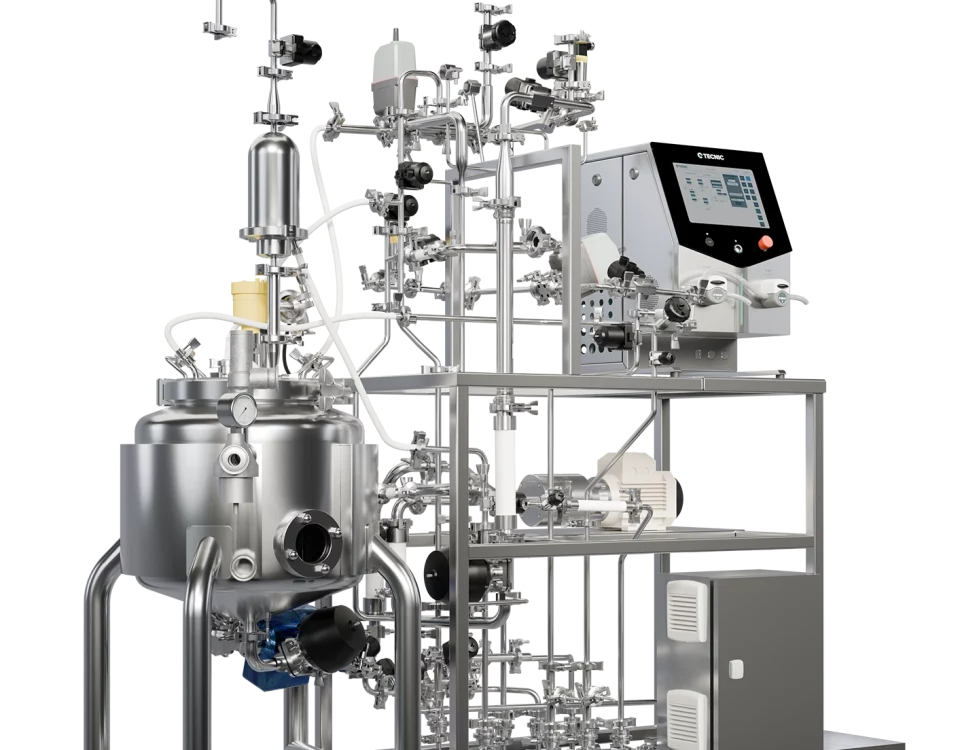
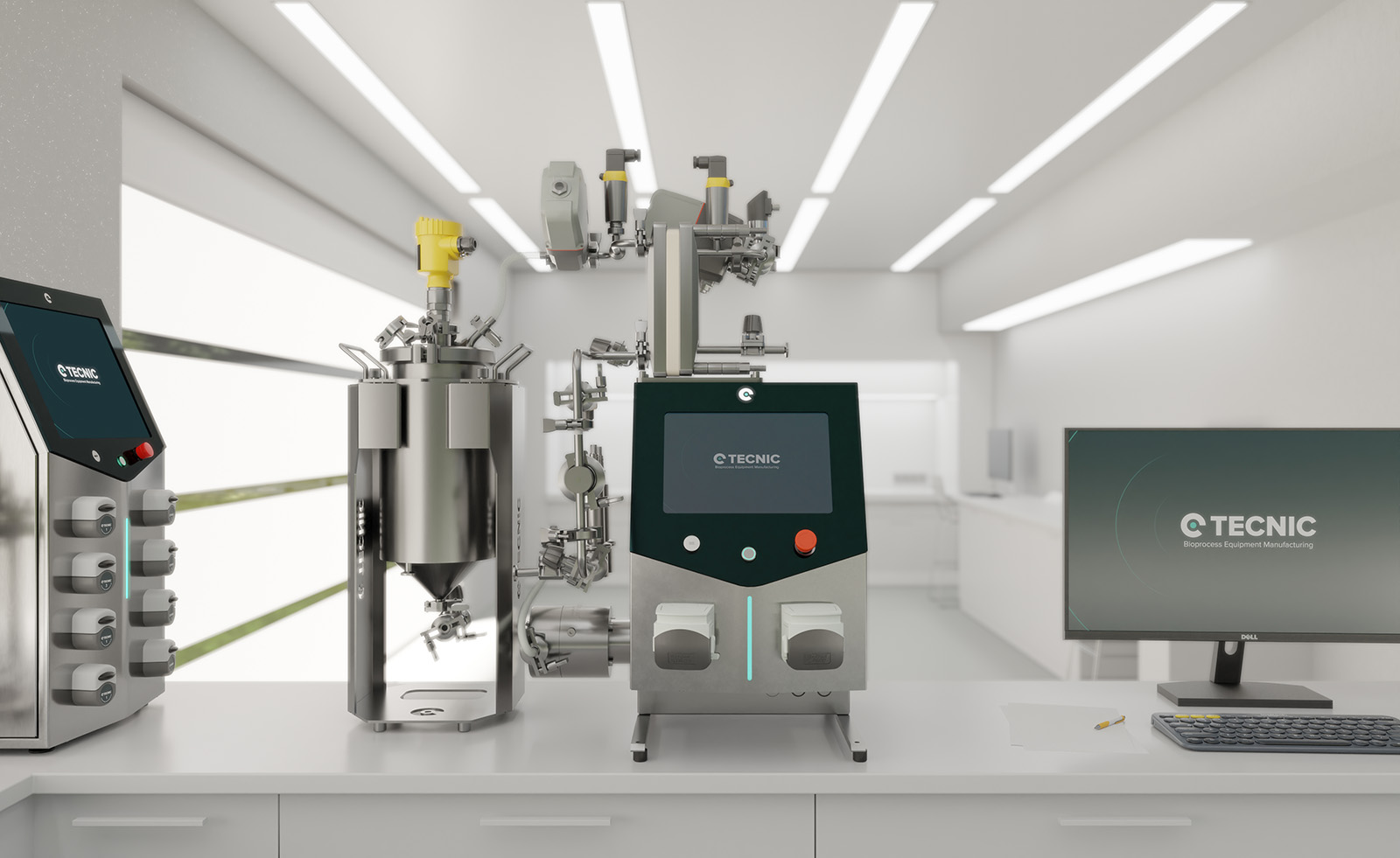
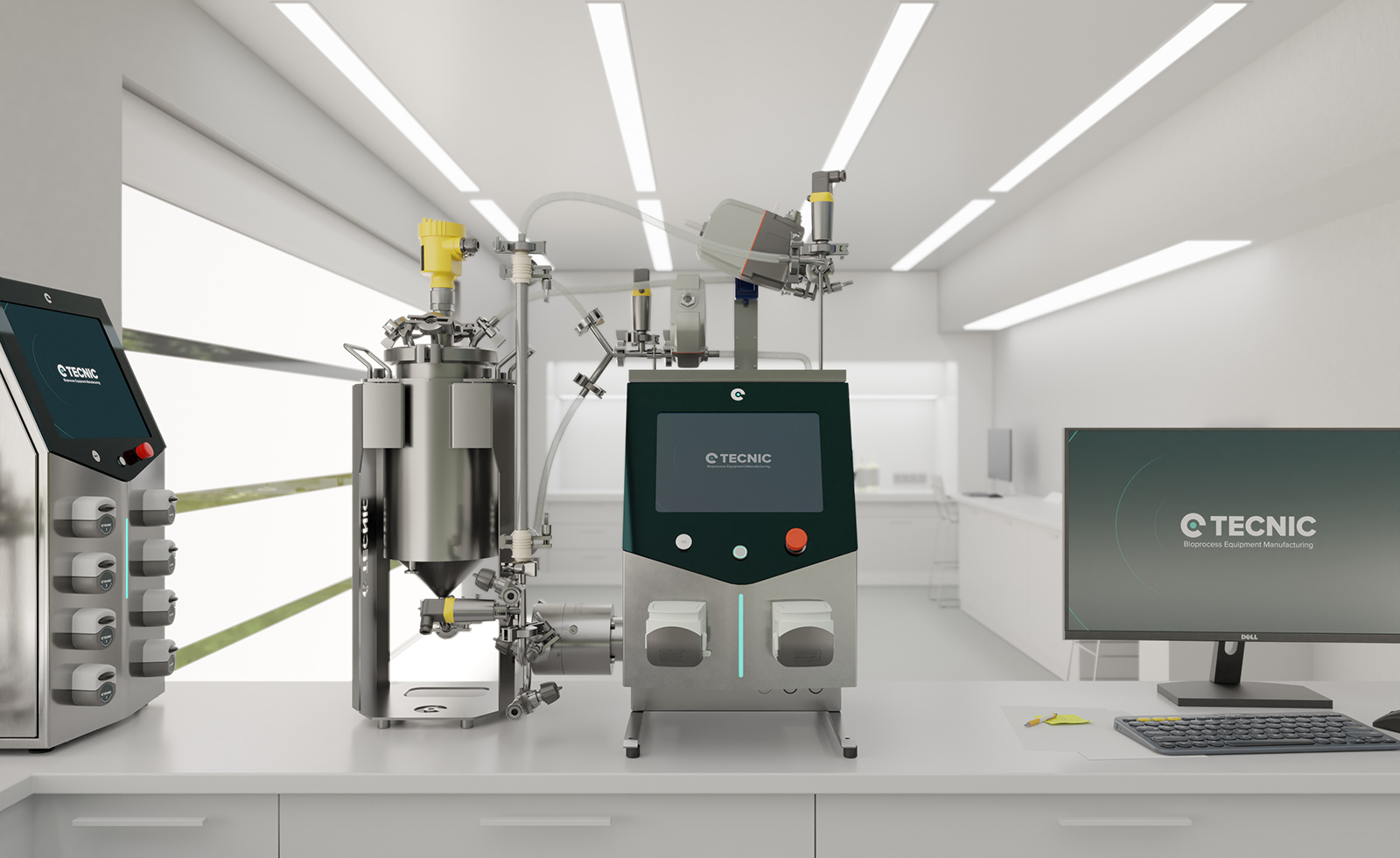
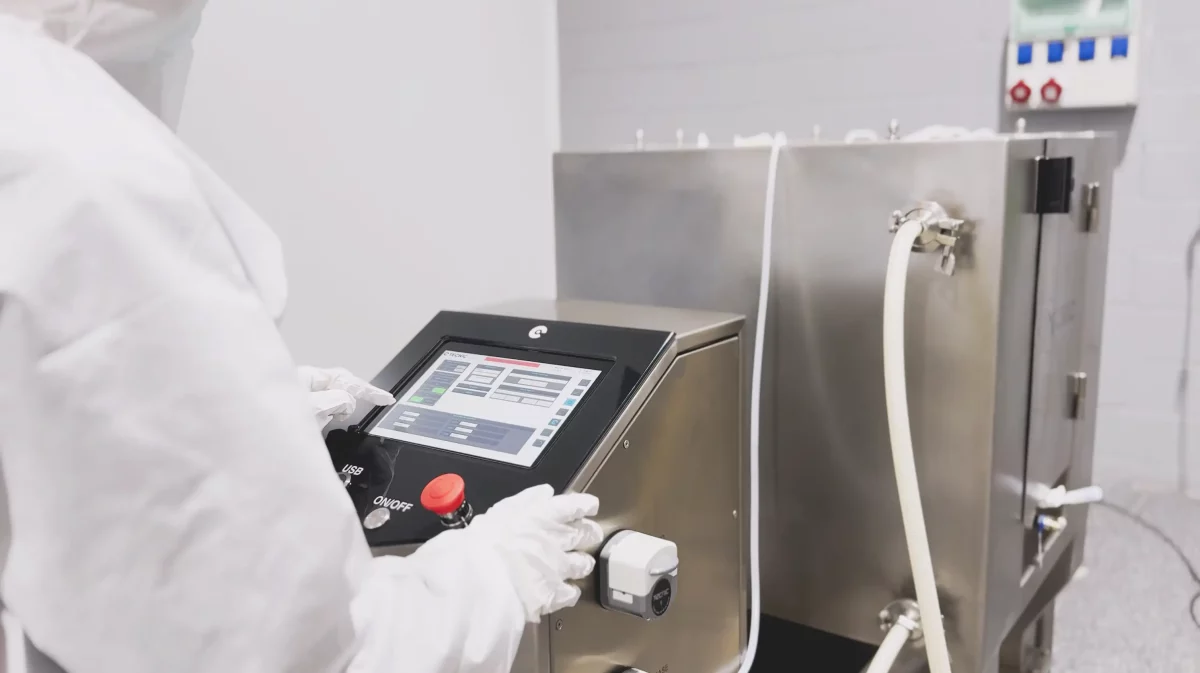
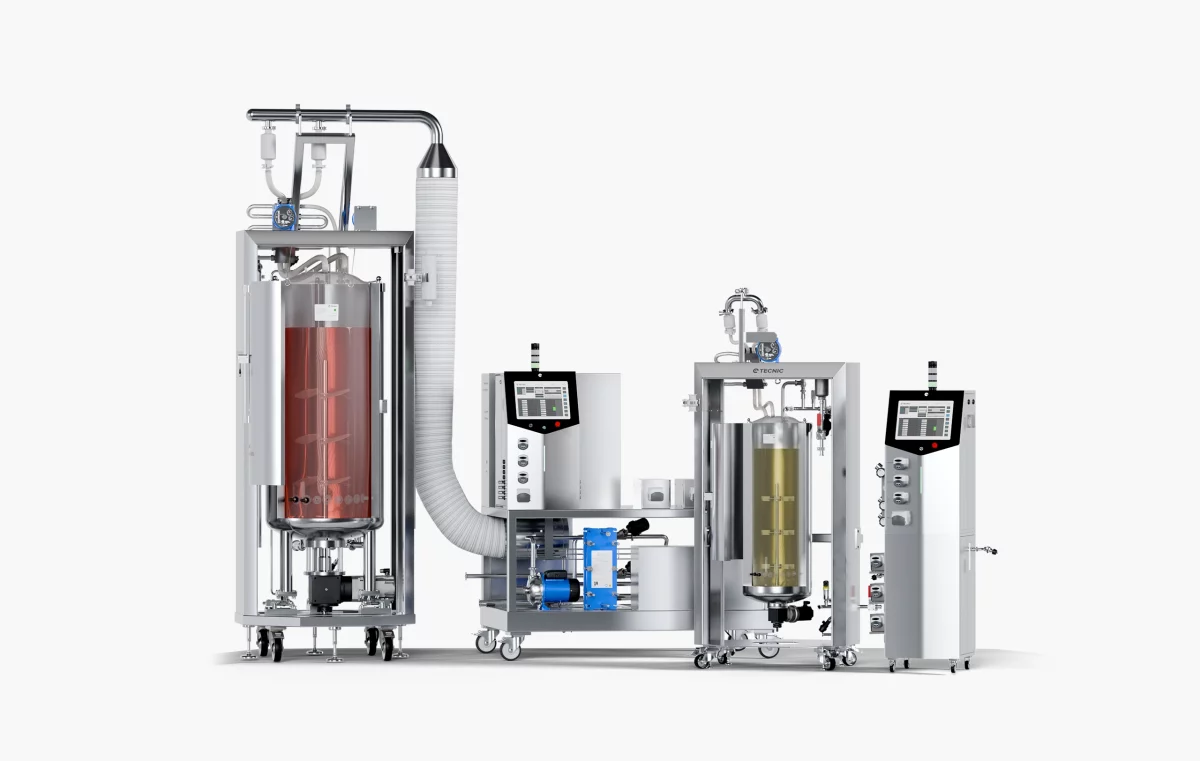
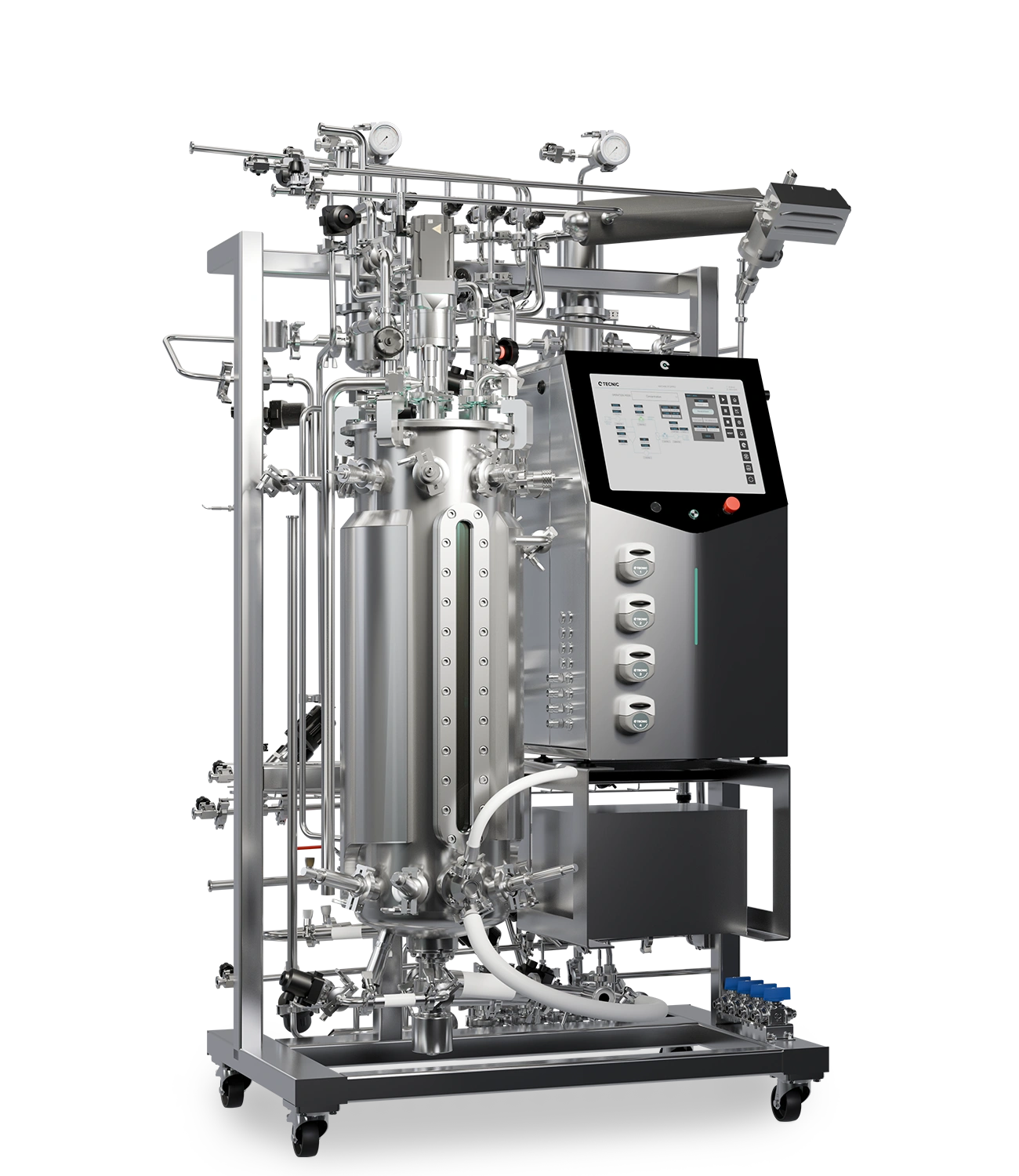
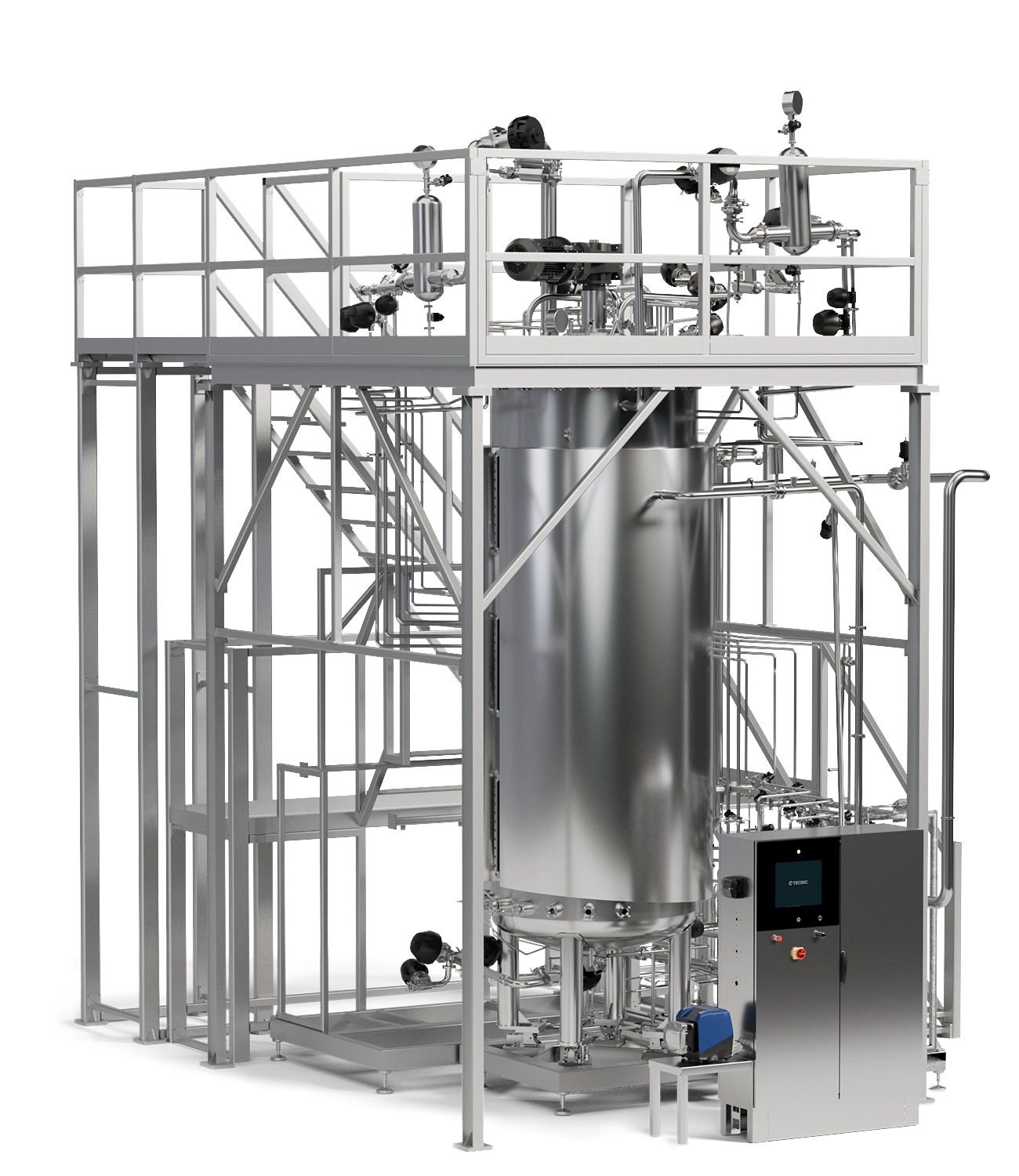
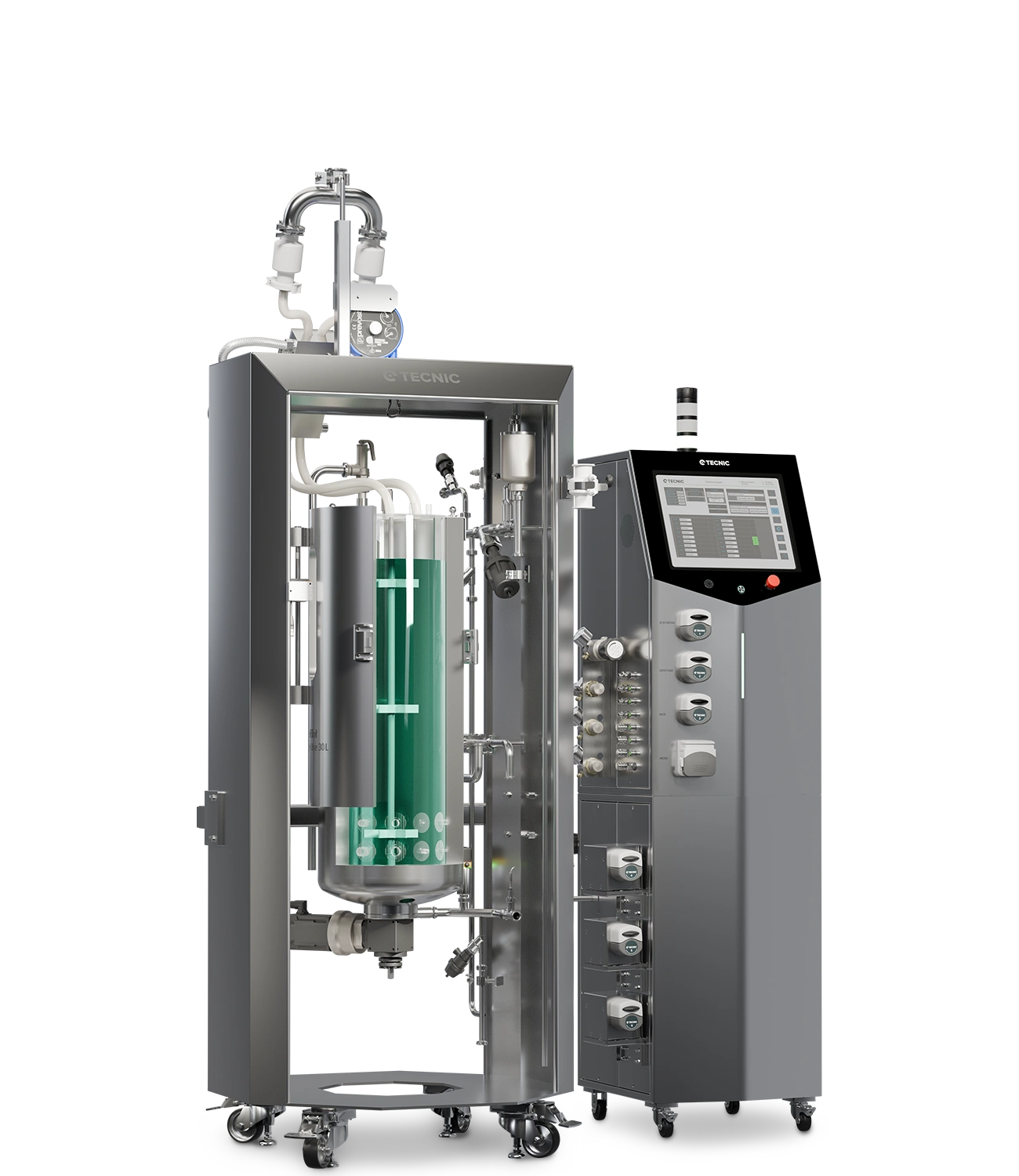
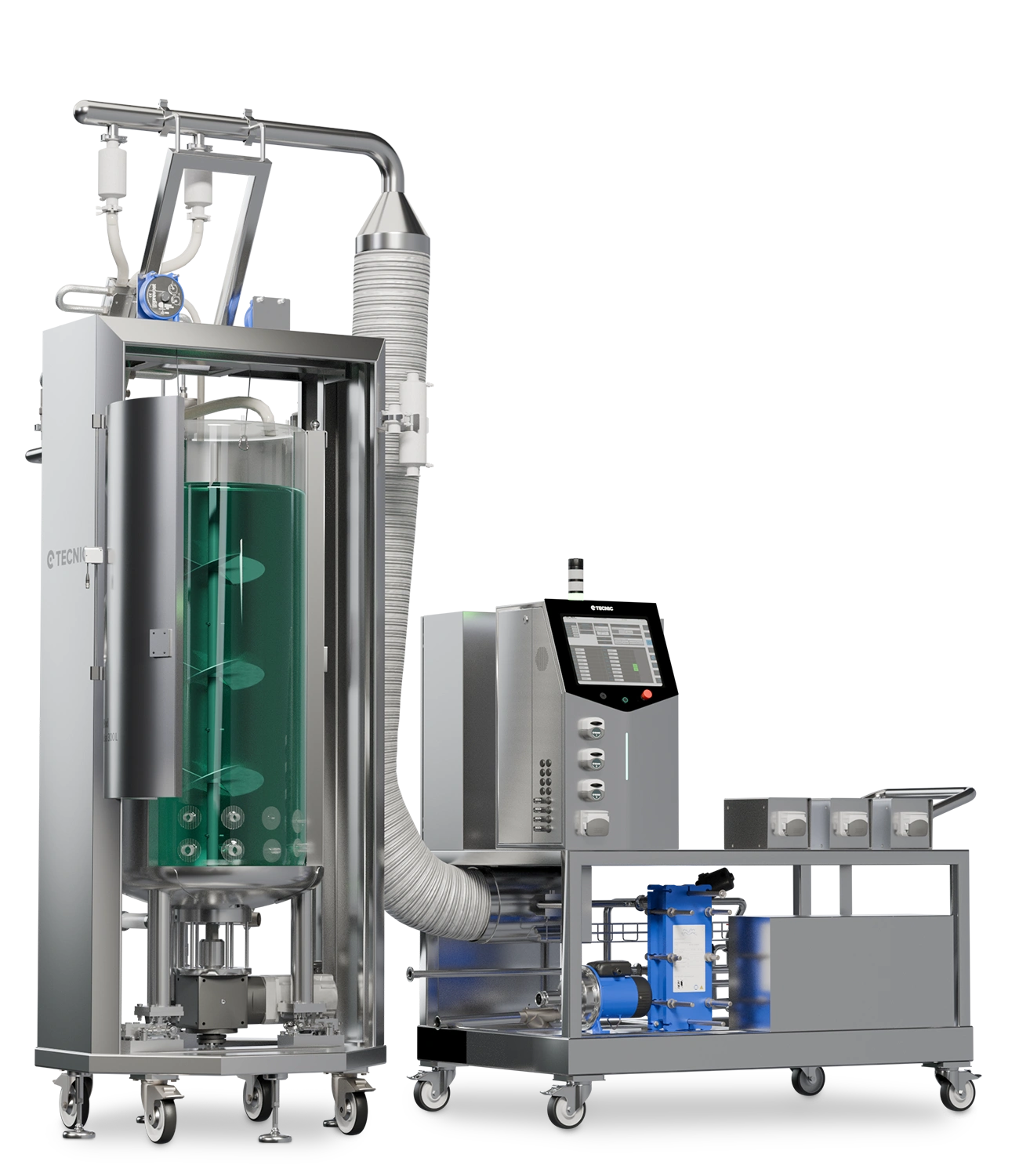
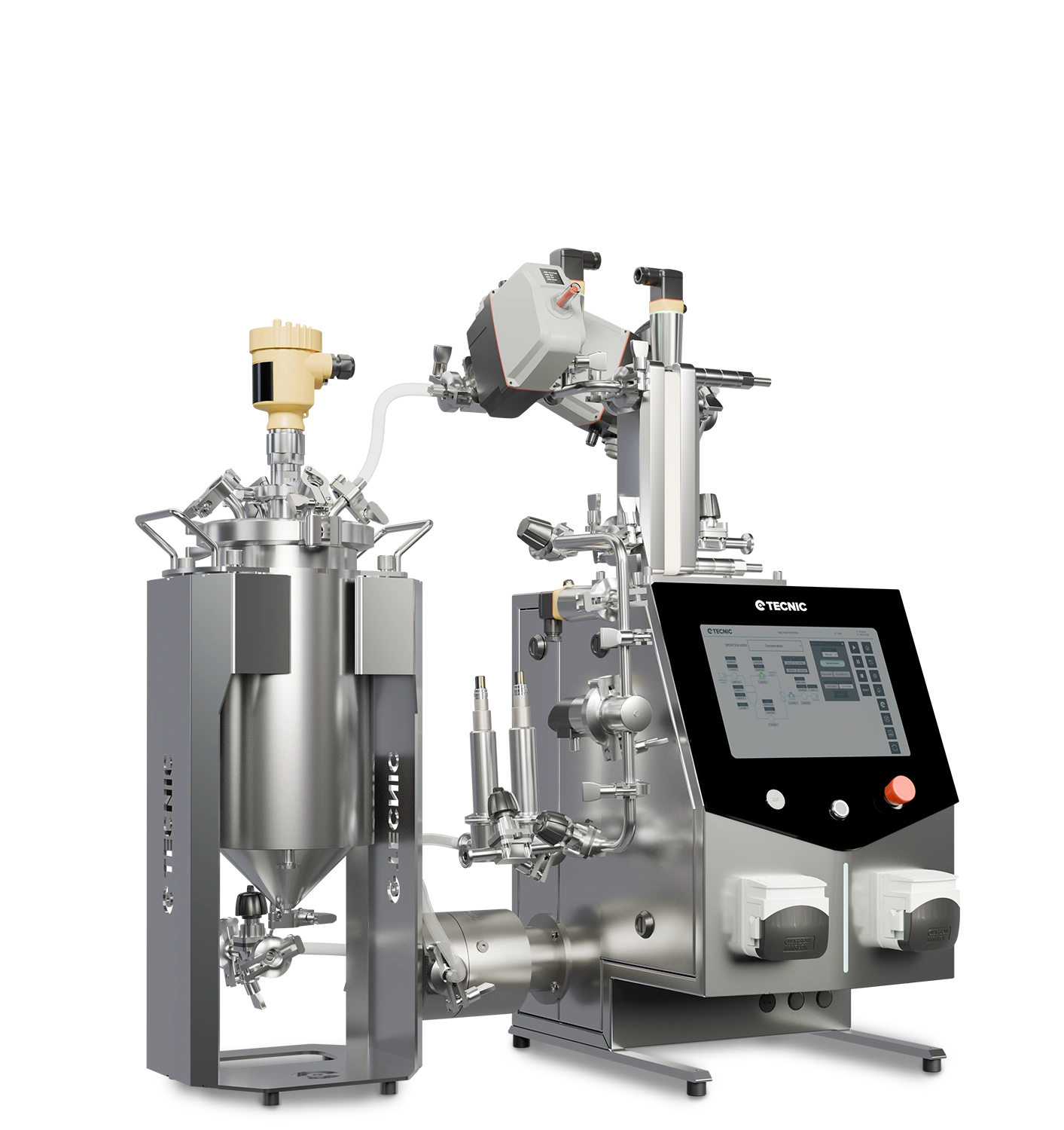
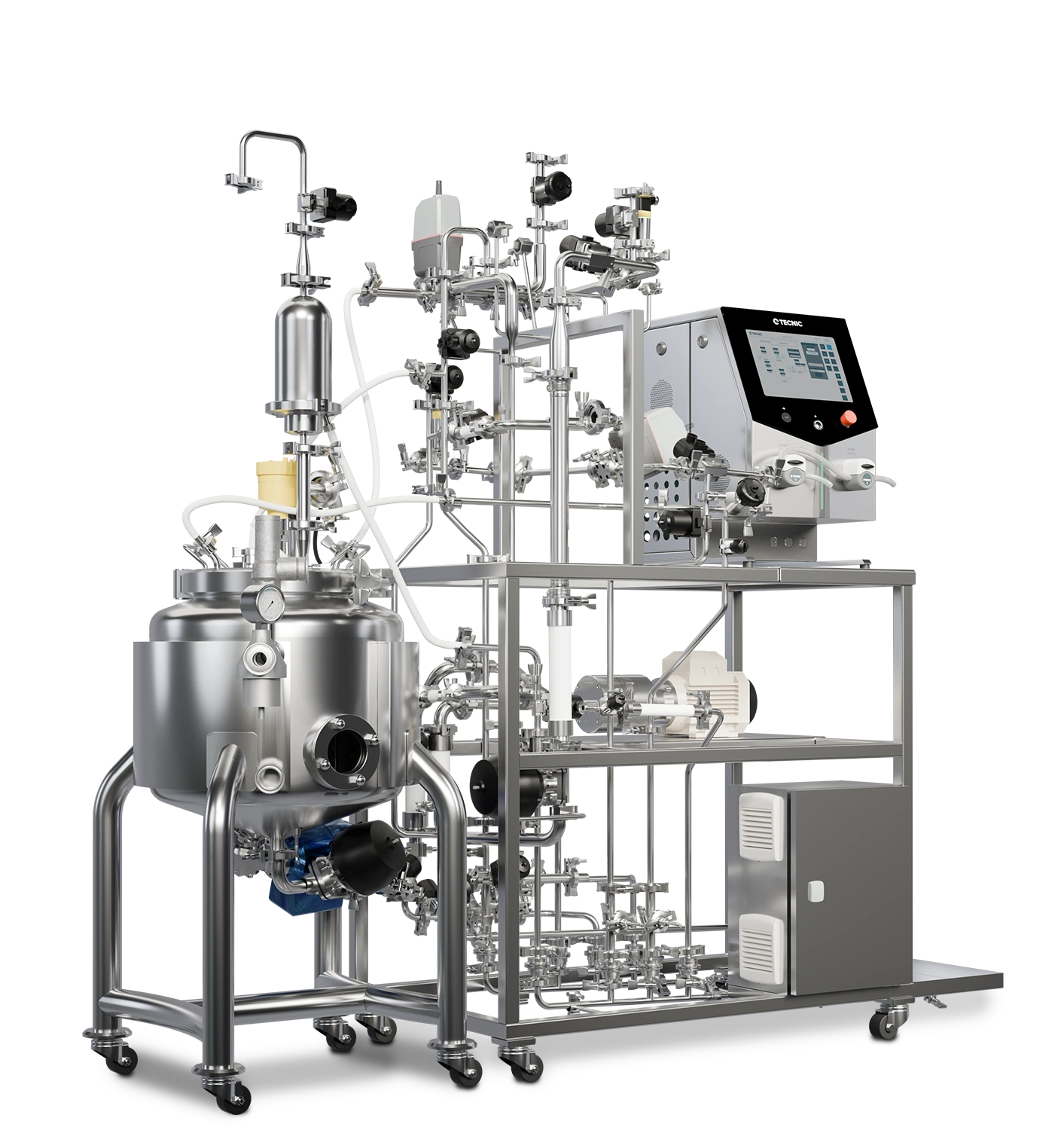
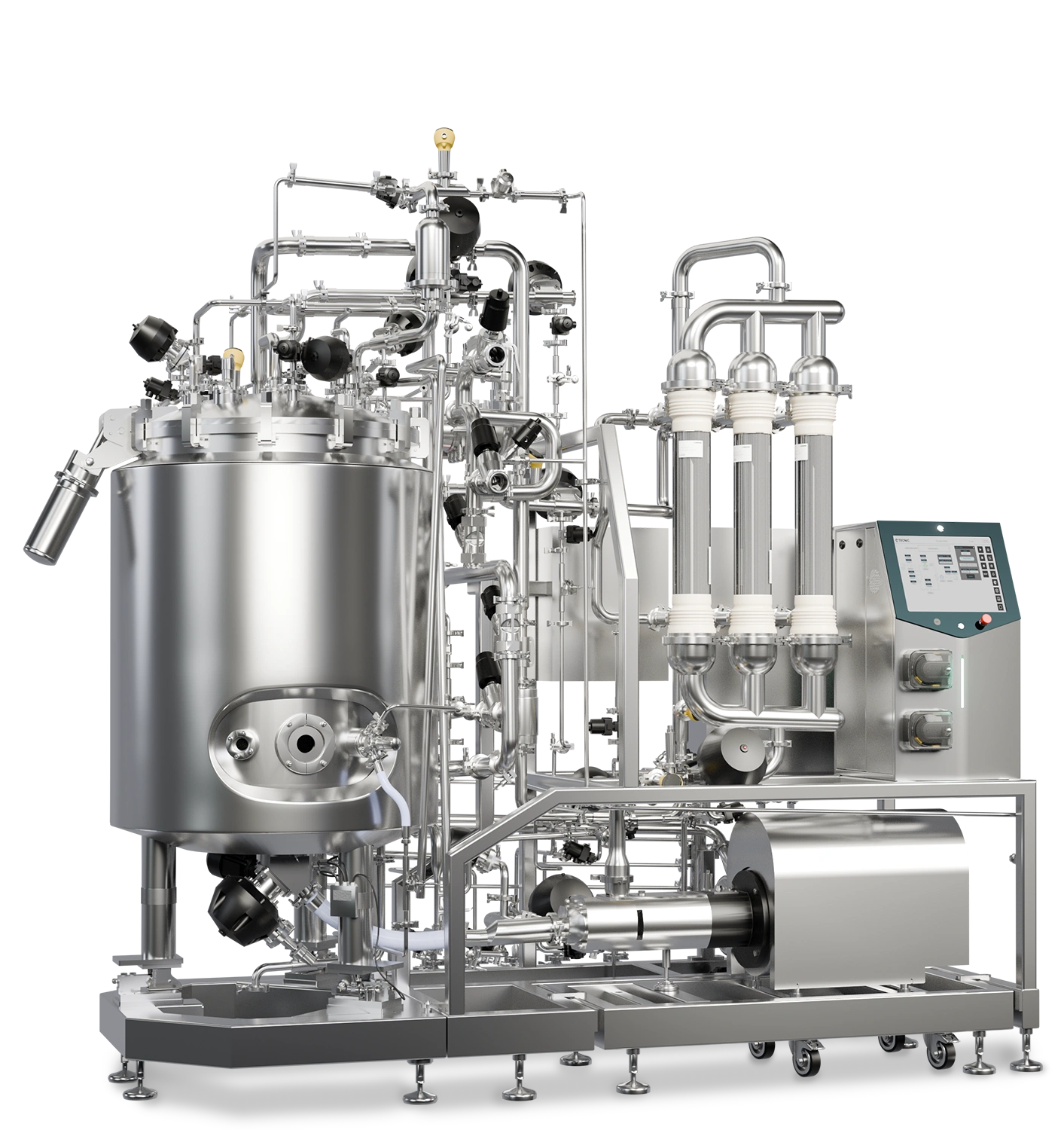
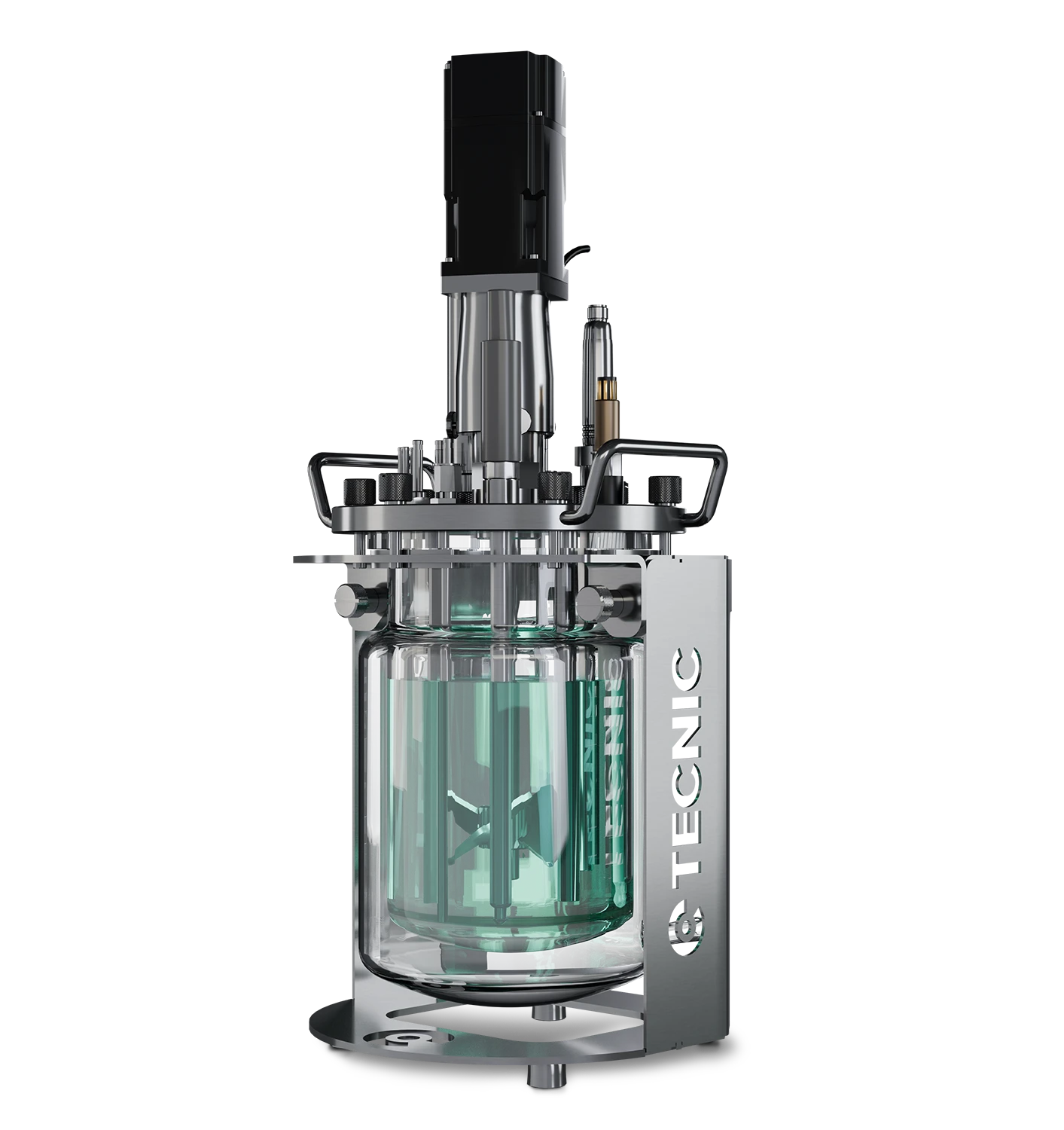
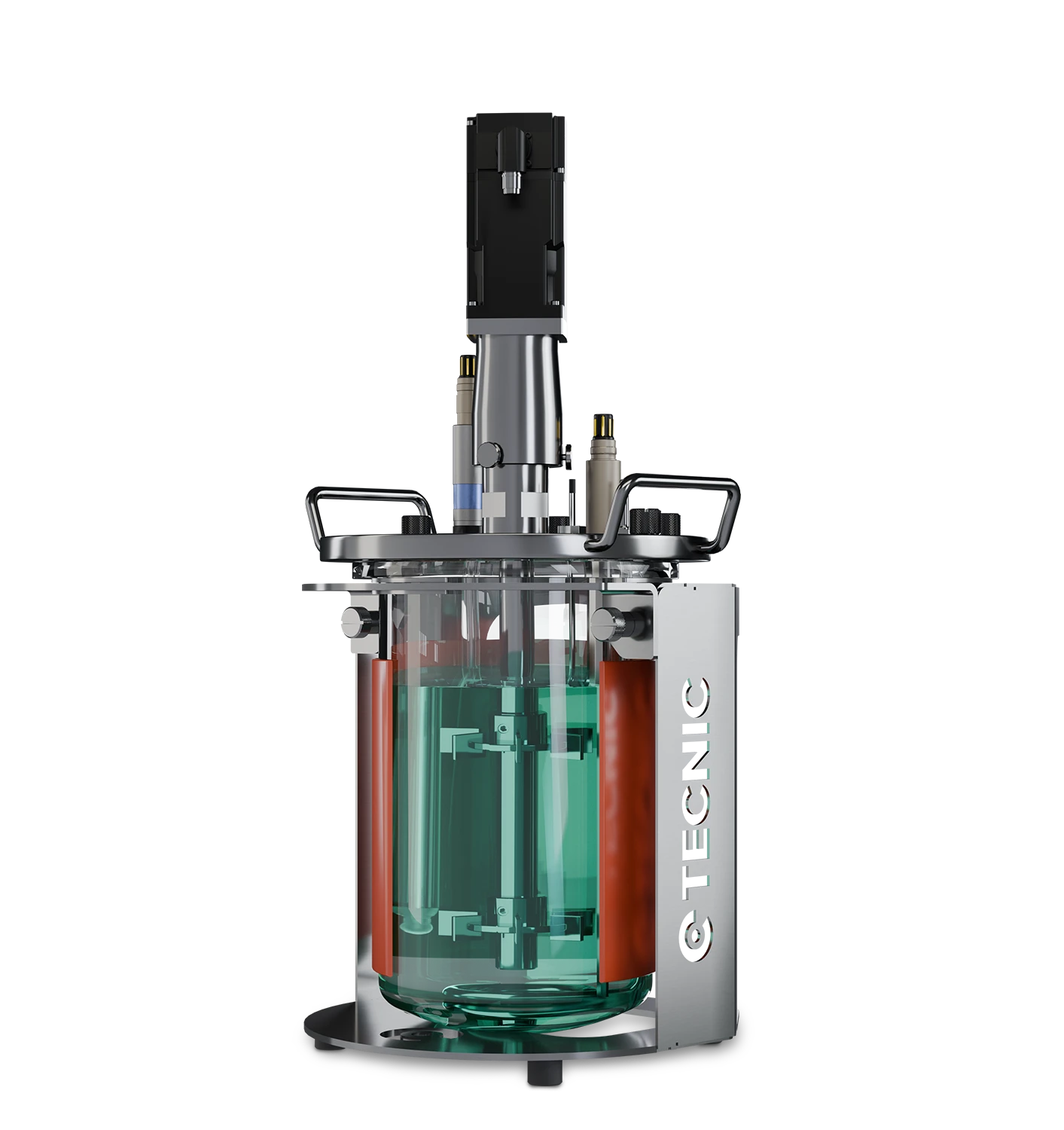
TECNIC fits naturally into this topic because blue biotechnology often depends on controlled cultivation, scale-up logic and robust bioprocess equipment. Once aquatic or marine biological systems move from discovery into process development, reliable reactors and controlled environments become essential.
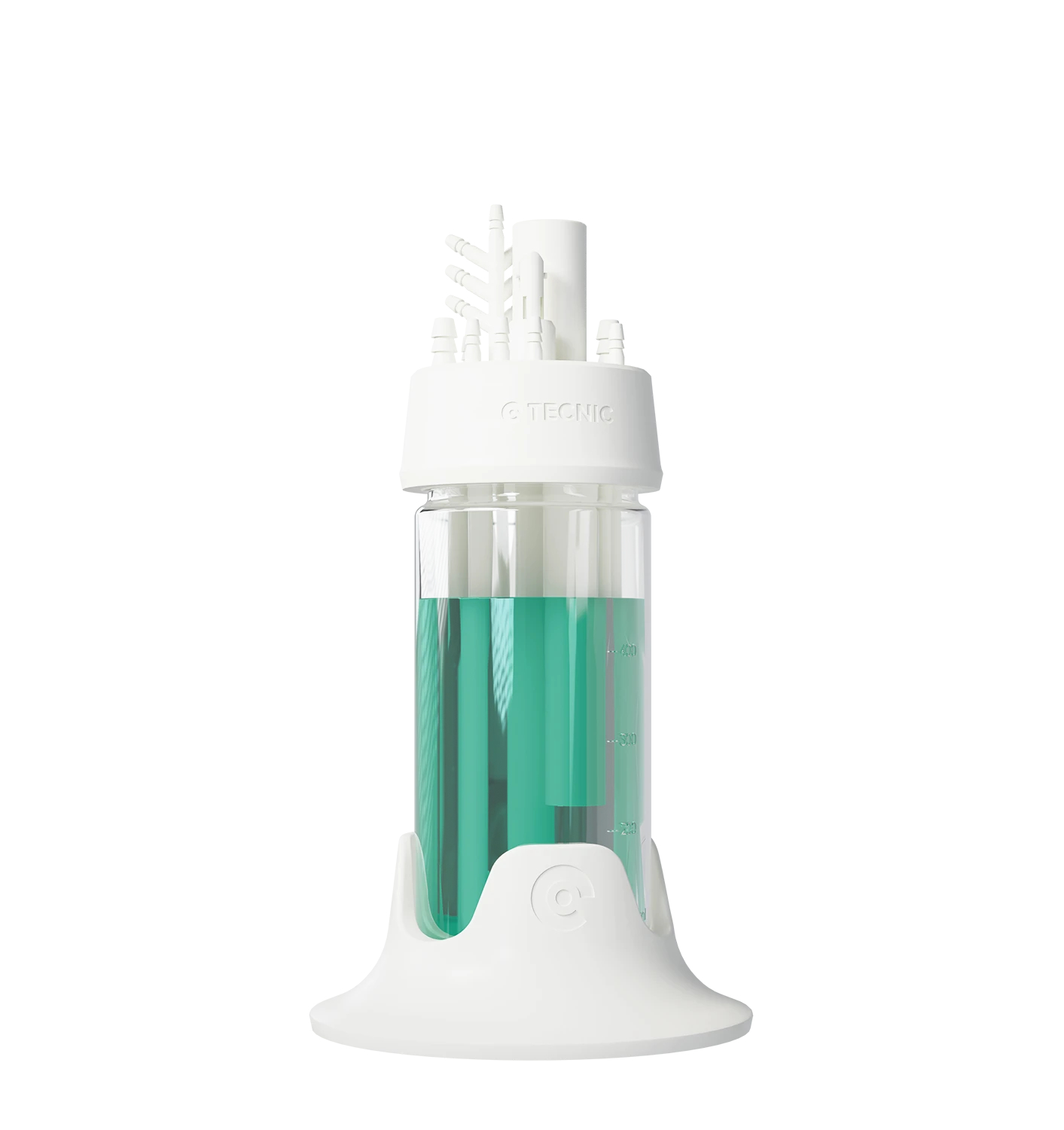
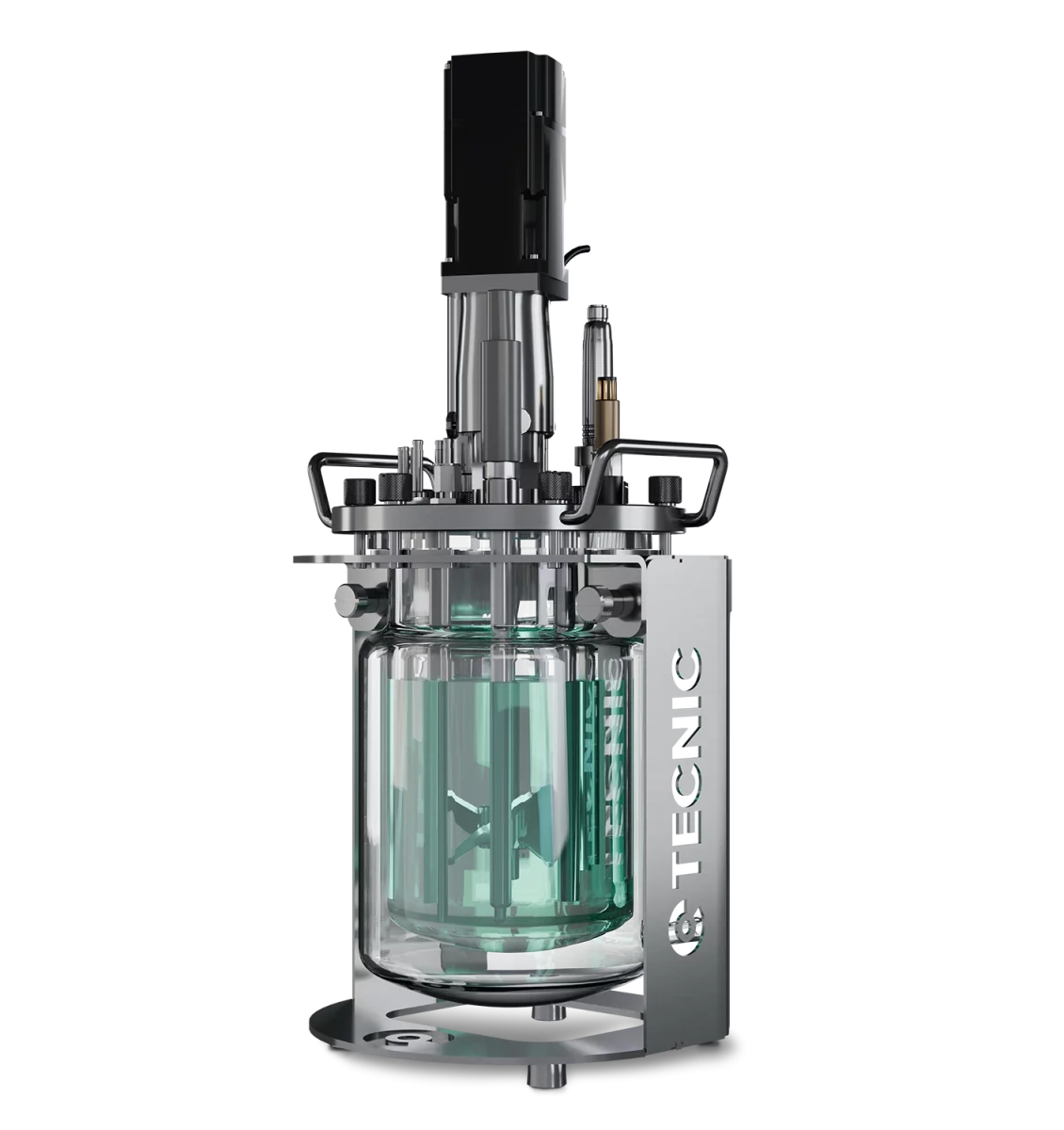
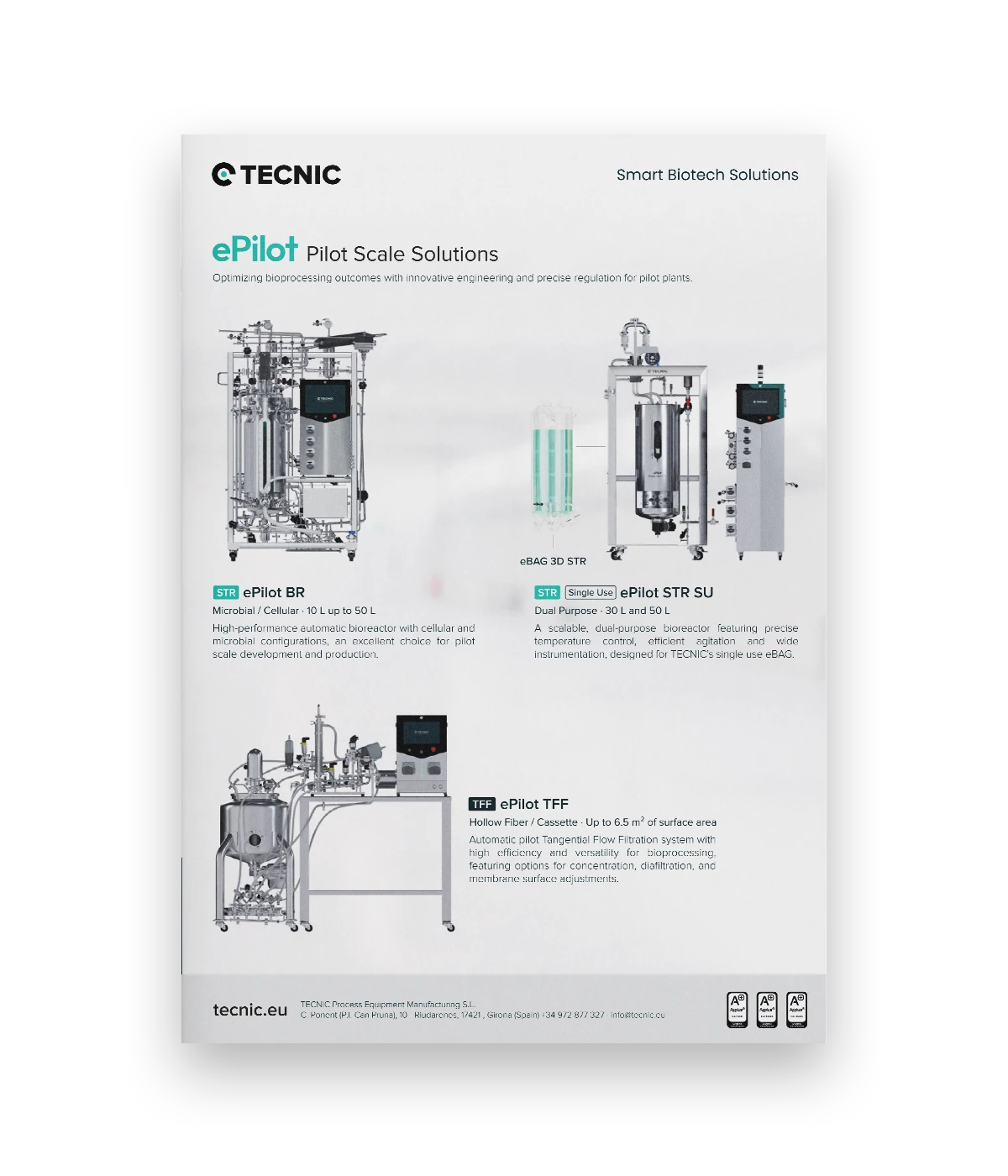
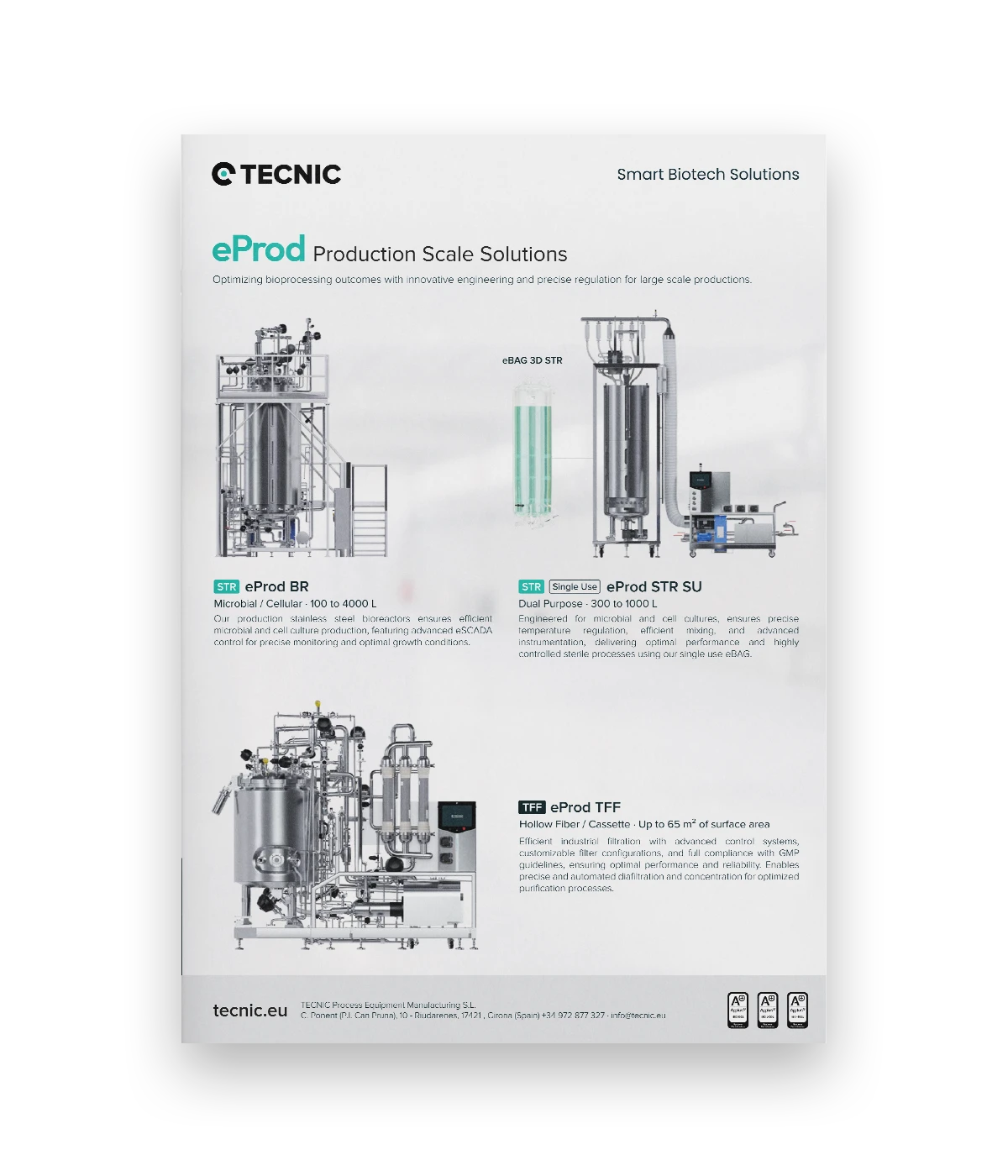
Bioreactors
Relevant when blue biotechnology workflows need controlled cultivation from lab development to pilot or production scale.
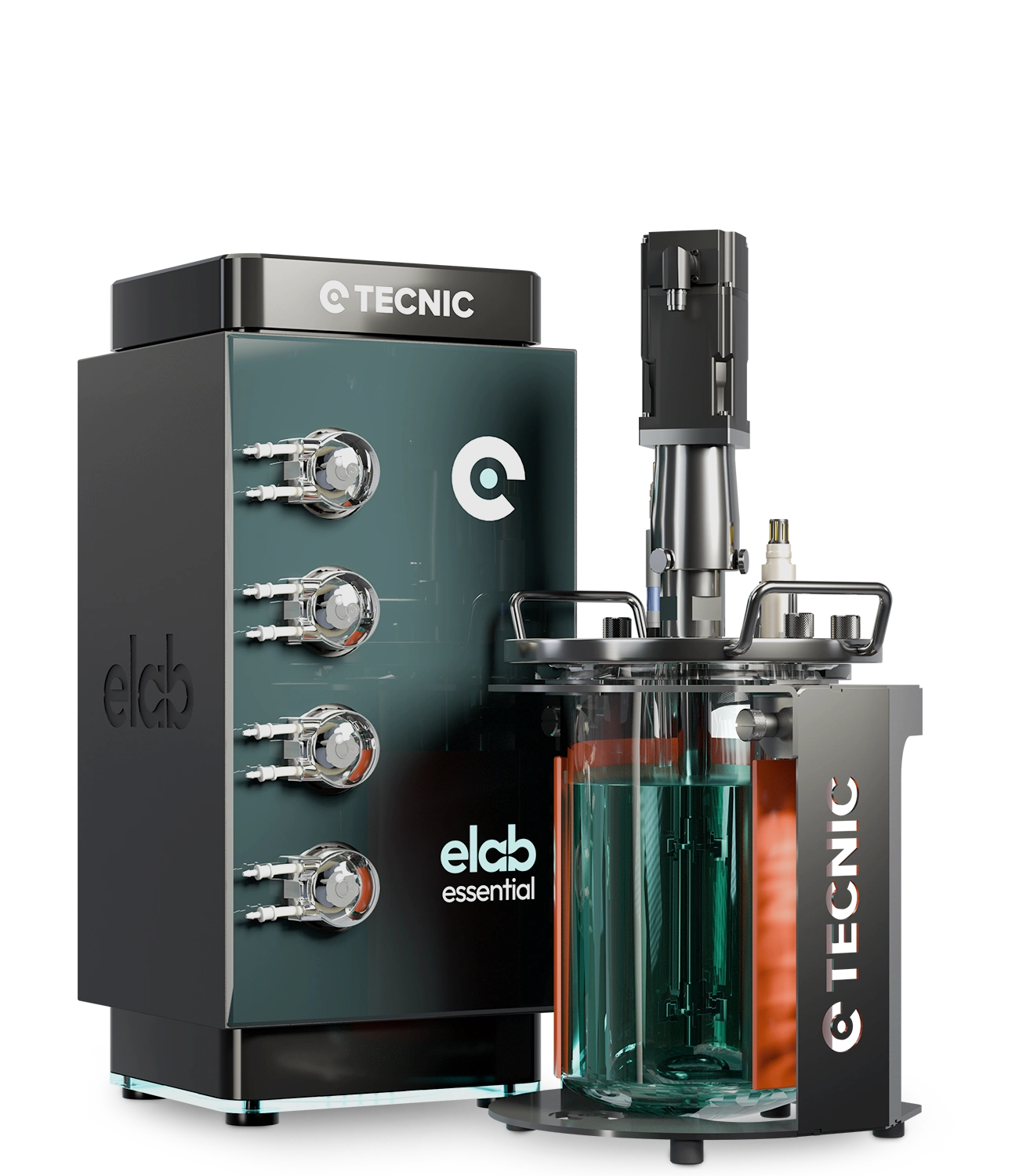
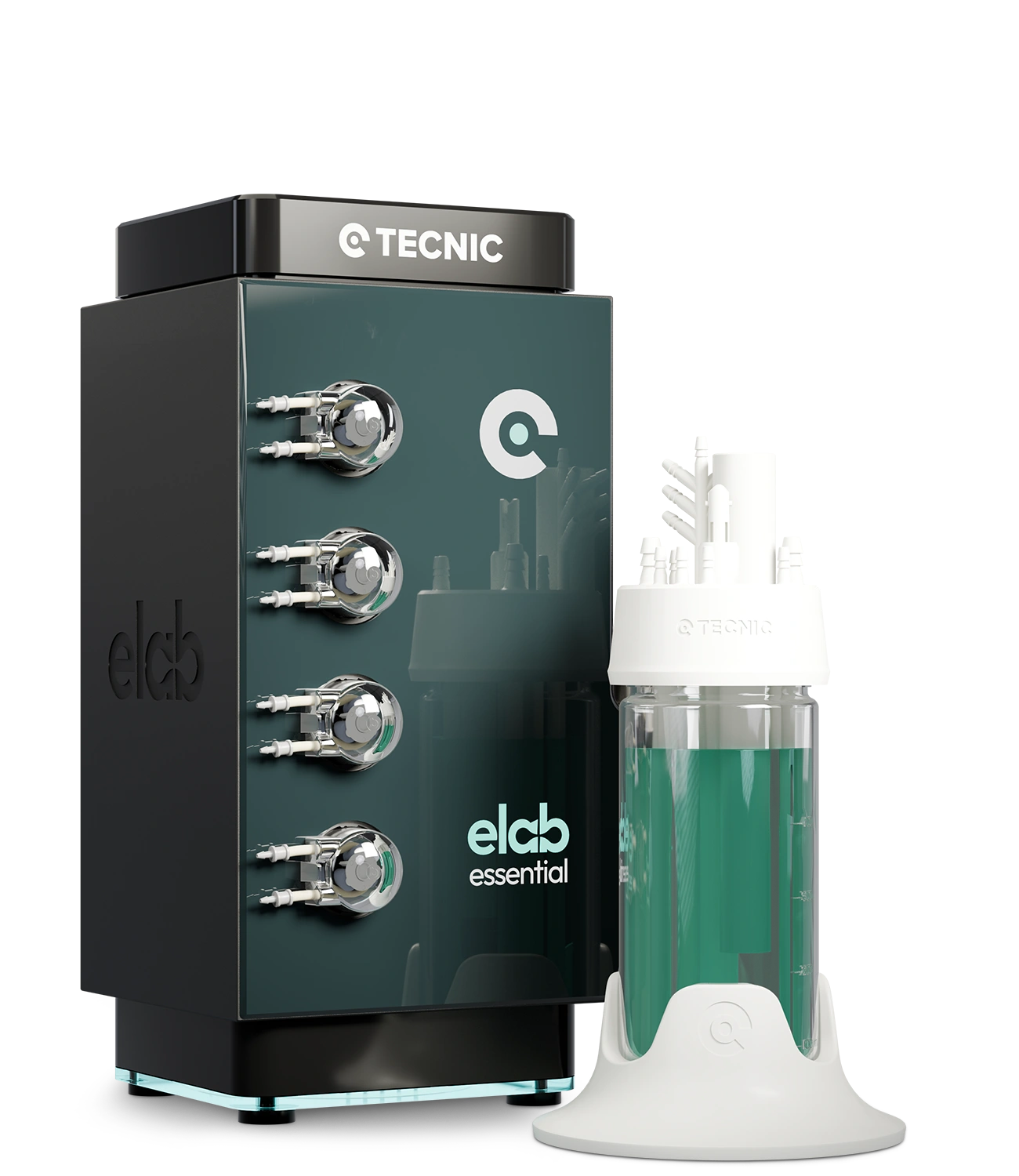
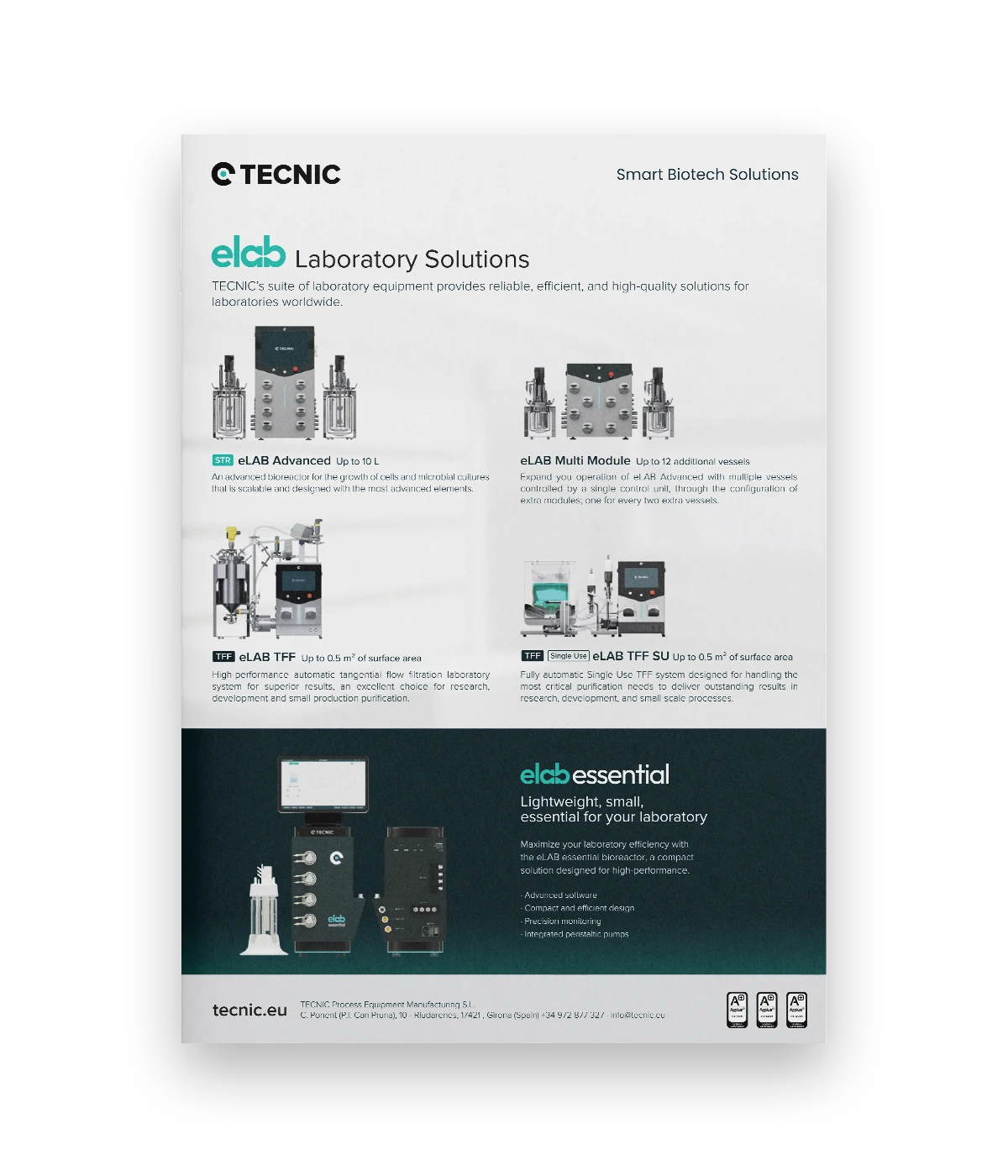
Laboratory equipment
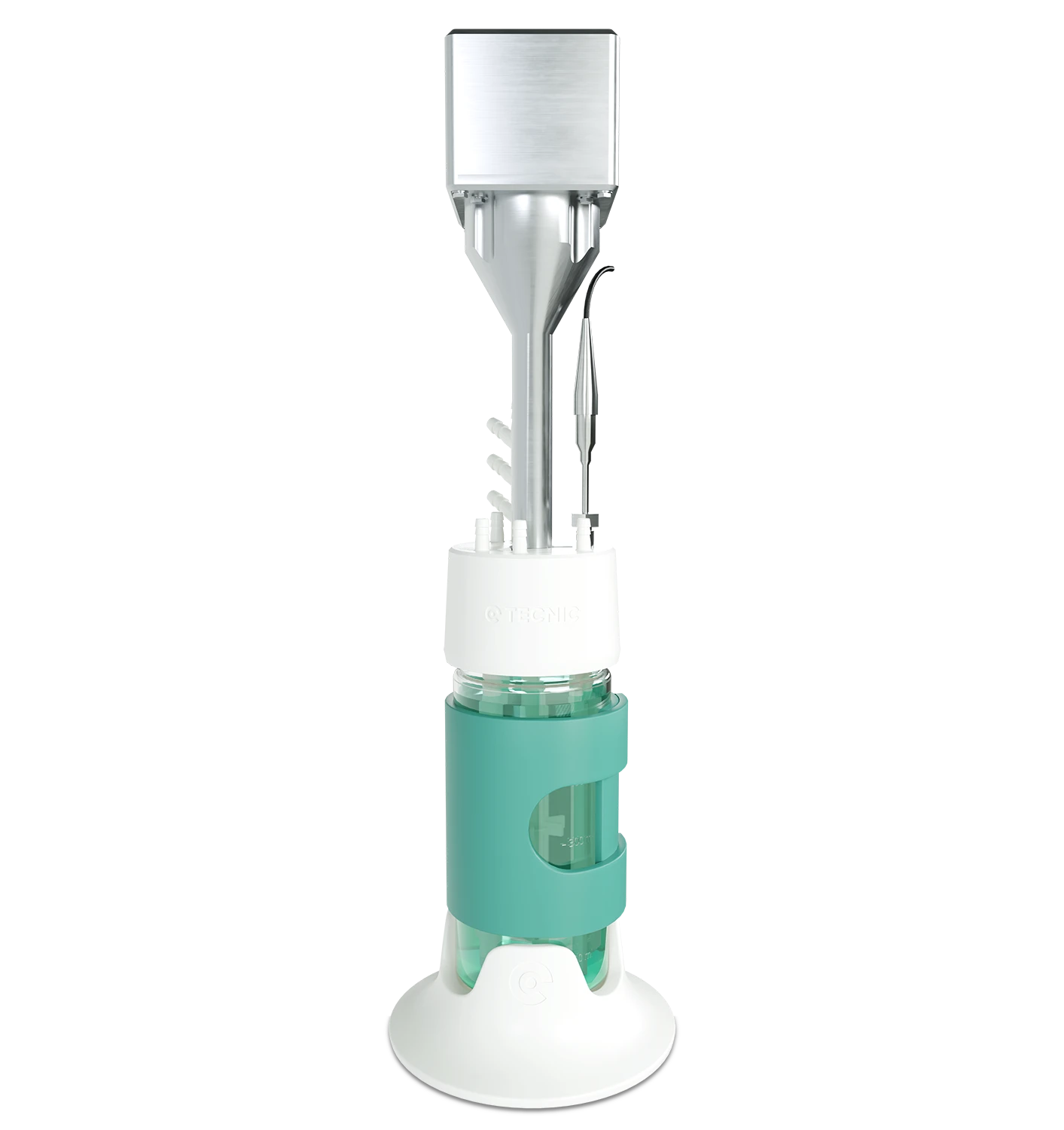
Useful when marine or aquatic biotechnology projects need stable and reproducible early-stage process conditions.
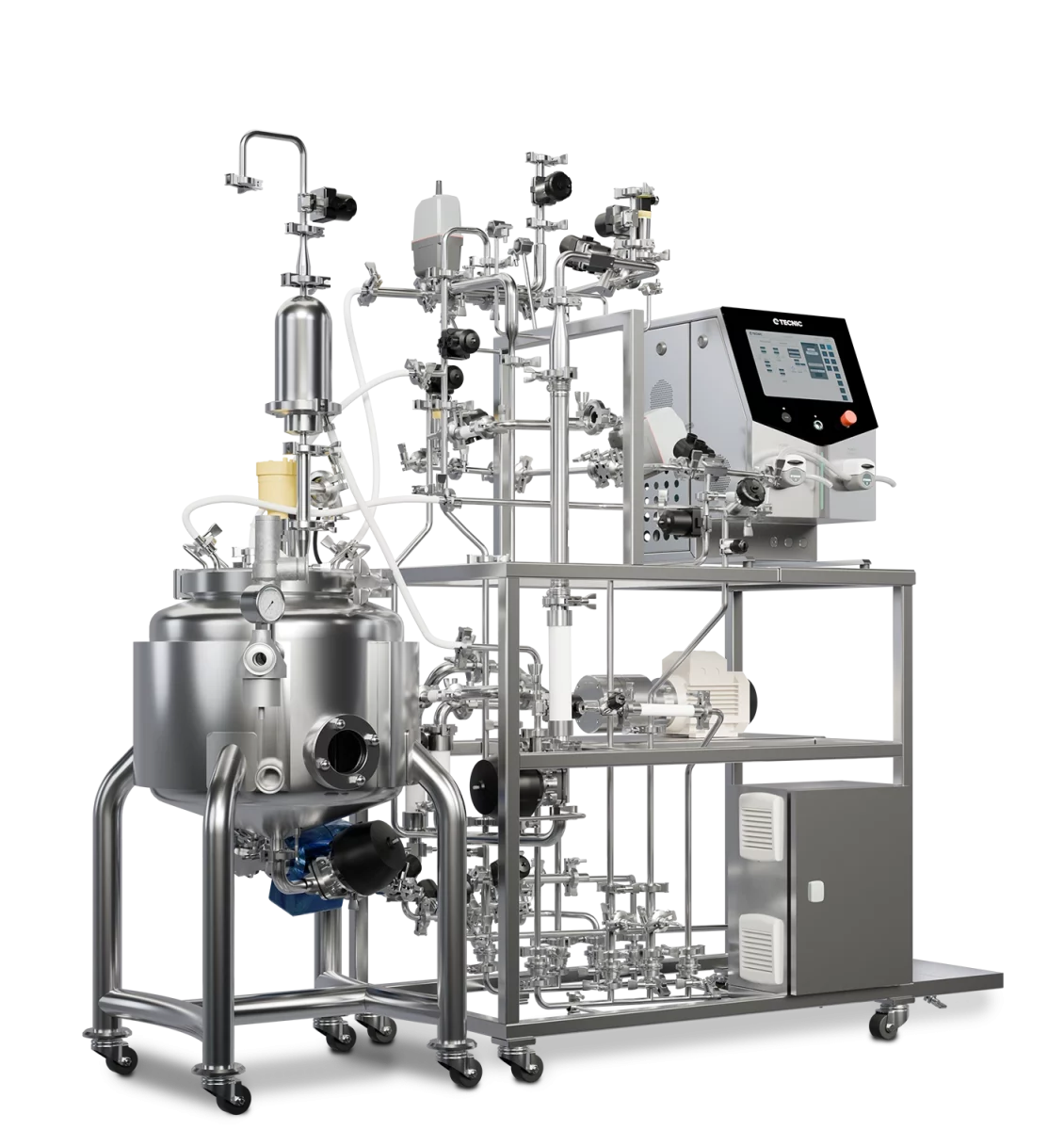
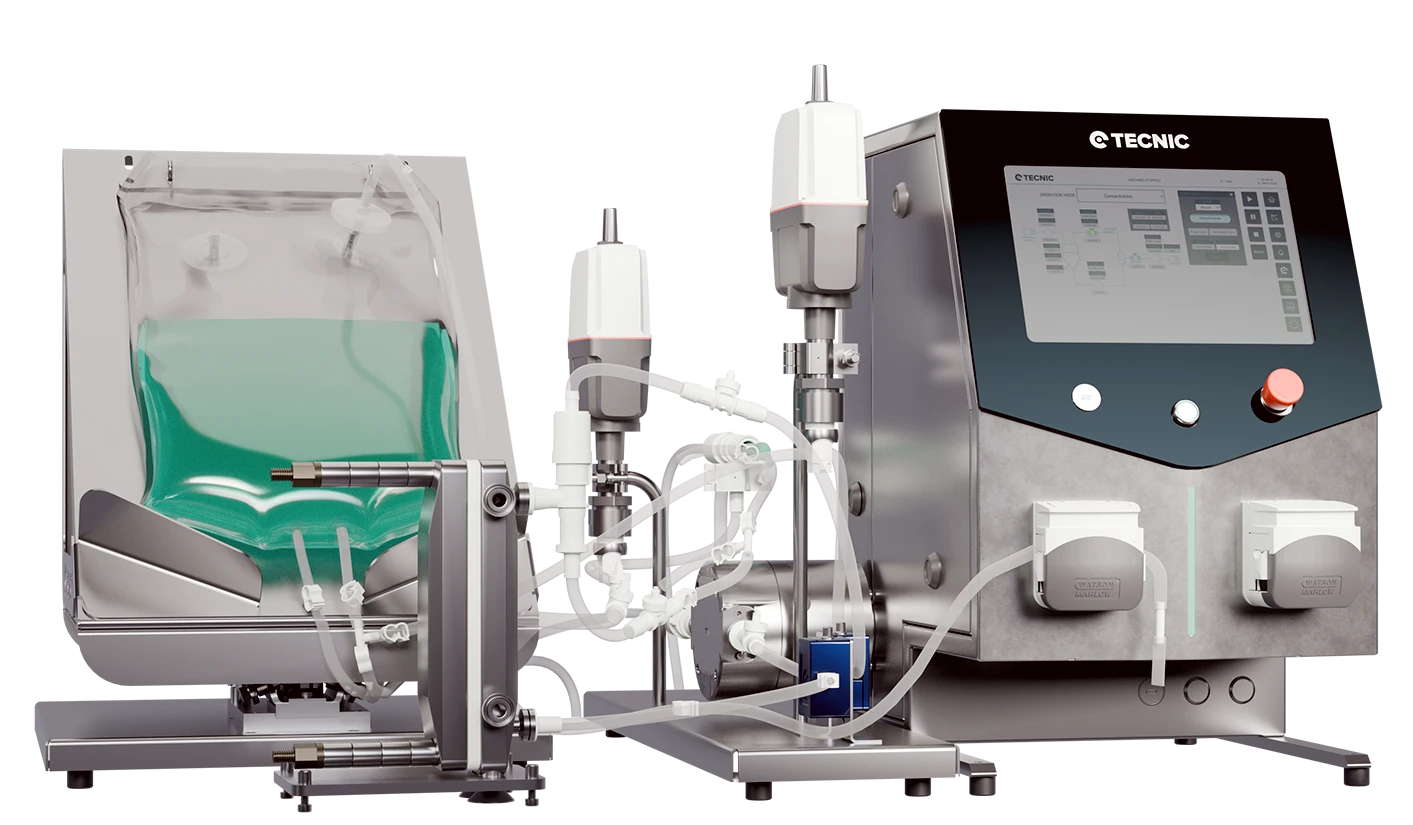
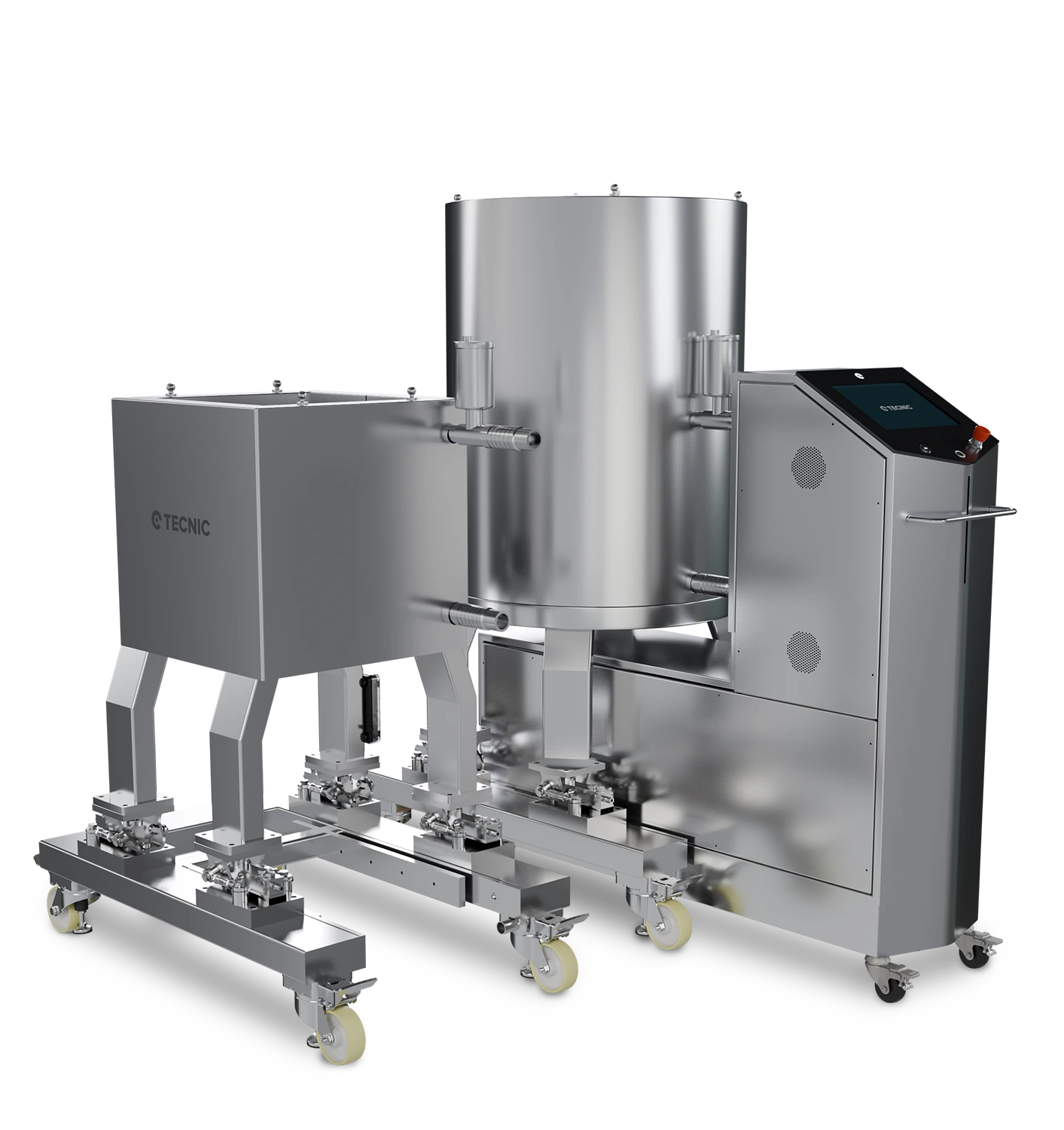
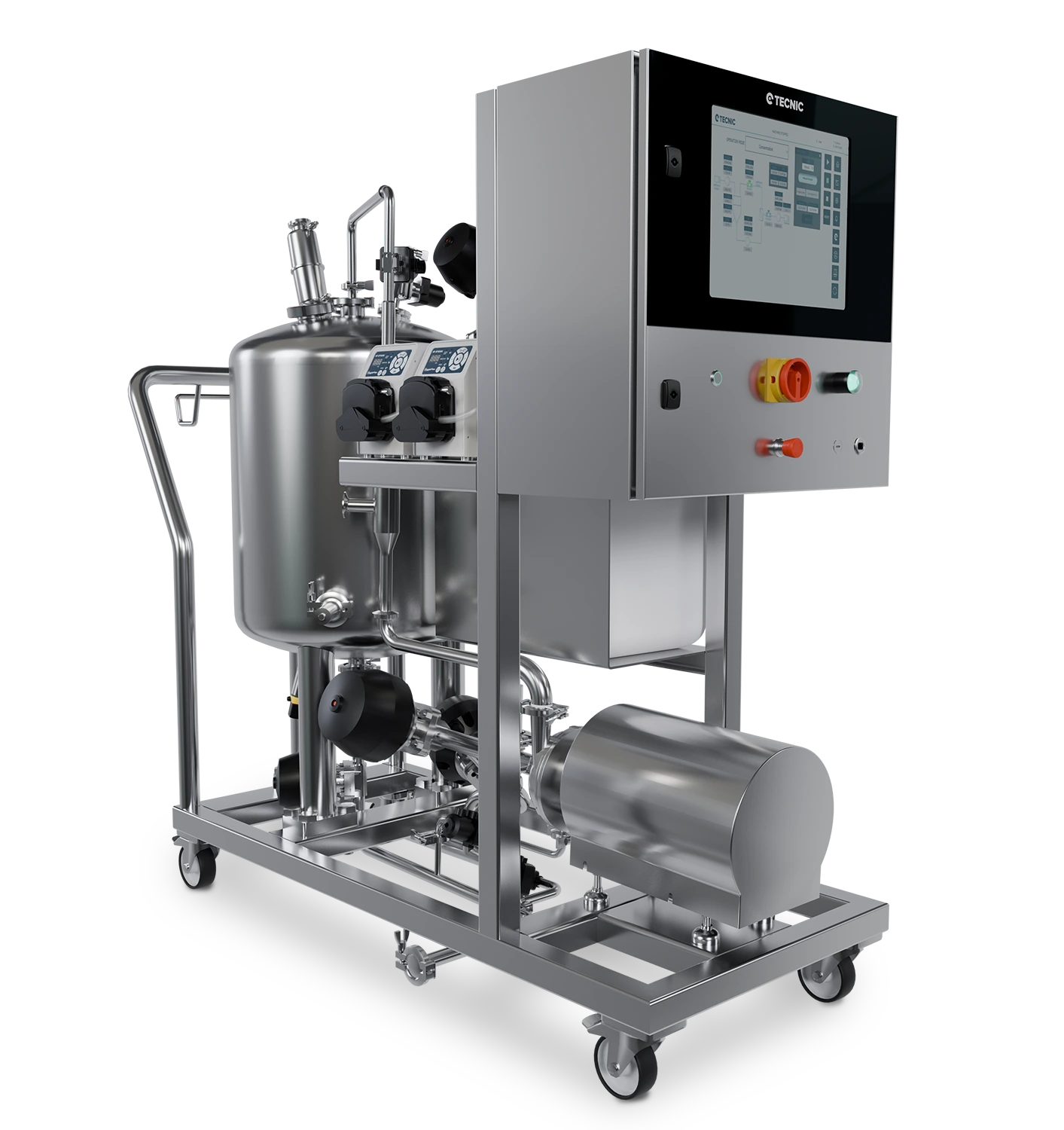
TFF systems
Relevant where aquatic bioprocesses need filtration, concentration or downstream support after cultivation.
Contact TECNIC
When marine biotechnology becomes a real process challenge, direct technical discussion is more useful than a broad overview alone.
This article works best when blue biotechnology is presented as a real bioprocess field, not only as an environmental or scientific curiosity.
Frequently asked questions
What is blue biotechnology?
It is the branch of biotechnology that uses aquatic organisms and marine environments to create useful products and processes.
What is blue biotechnology used for?
It is used in medicine, food, agriculture, cosmetics, environmental restoration and sustainable industrial development.
What are examples of blue biotechnology?
Examples include marine-derived drugs, algae-based ingredients, bioremediation systems and marine cosmetic compounds.
Why is blue biotechnology important?
Because it connects marine biodiversity with innovation, sustainability and new production routes across several industries.
What is the biggest challenge in blue biotechnology?
One major challenge is turning promising marine biology into scalable and sustainable industrial processes.
Exploring how marine biotechnology connects with scalable bioprocessing?
Explore TECNIC’s bioprocess solutions or speak with our team to review the right setup for controlled development and scale-up.